
Team Alignment Sessions: What They Really Are
Team Alignment Sessions are structured, facilitator-led conversations designed to bring a team onto the same page, around goals, expectations, communication rhythms, ownership, and measurable outcomes.
At its core, a Team Alignment Session answers one deceptively simple question:
“Are we actually moving in the same direction?”
In most organisations, misalignment doesn’t come from laziness. It creeps in quietly, shifting priorities, evolving KPIs, unclear accountability, or just assumptions left unchecked. By February, many teams have already felt small pressure points from the new year. Targets are active. Budgets are real. Deadlines are no longer theoretical.
That’s precisely why February becomes strategic.
It’s early enough to adjust.
Late enough to see what’s not working.

Why February Is the Strategic Sweet Spot for Team Alignment Sessions
January is optimism. February is clarity.
In Australia, and really across most business environments, January often feels rushed. People return from holidays, leadership announces new direction, and execution starts before proper calibration happens.
By February:
- Real workload patterns are visible
- Communication gaps start surfacing
- Role confusion becomes noticeable
- Early performance metrics provide data
This makes February ideal for structured Team Alignment Sessions.
1. The Post-Holiday Reality Check
January runs on ambition.
February runs on evidence.
You can already see:
- Which goals were misunderstood
- Where ownership overlaps
- Which processes feel clunky
Rather than letting misalignment compound into Q2 problems, February offers a clean correction window.
2. Momentum Without Burnout
Workplace performance research from firms like Gallup shows employee engagement typically remains higher in early Q1 before dipping later in the quarter.
That means February captures:
- Motivation
- Openness to feedback
- Willingness to improve systems
By March or April, those same conversations can feel defensive or reactive.
3. You Can Still Influence Q1 Results
Here’s a simplified view:
January   → Energy & Planning
February  → Calibration & Adjustment
March     → Delivery Pressure
April     → Performance Review
Team Alignment Sessions in February influence delivery before the pressure peak.
Miss this timing, and alignment becomes damage control.
What Happens Inside Effective Team Alignment Sessions?
A proper Team Alignment Session is not a status meeting. It is a recalibration exercise.
Core Components of Team Alignment Sessions
- Vision reconfirmation
- Quarterly objective breakdown
- Role and responsibility mapping
- KPI clarity
- Communication agreements
- Conflict surfacing
Alignment Framework
| Phase | Focus | Result |
|---|---|---|
| Strategic Clarity | Why are we doing this? | Unified direction |
| Accountability | Who owns what? | Clear responsibility |
| Measurement | How do we track progress? | Defined KPIs |
| Behaviour | How do we collaborate? | Agreed team norms |
Case Study: February Alignment in an Australian SME
A mid-sized Melbourne-based tech consultancy (approx. 70 employees) introduced structured Team Alignment Sessions in February 2024 after struggling with Q1 delays in prior years.
Pre-session findings:
- 30% of staff unclear about quarterly objectives
- Project duplication between two departments
- Excess internal meetings
Post-February alignment outcomes:
- 22% improvement in on-time project delivery
- 35% increase in internal clarity scores (staff survey)
- 18% reduction in recurring status meetings
Interestingly, strategy didn’t change.
Alignment did.
Signs Your Team Needs Team Alignment Sessions
Misalignment rarely explodes overnight. It accumulates.
Look for:
- Repeated clarification emails
- Passive agreement in meetings
- Vague KPI ownership
- Missed handovers between teams
- Frustration expressed privately, not publicly
February is when these signals are still manageable.
How to Run High-Impact Team Alignment Sessions
Step 1: Pre-Session Clarity Survey
Ask team members anonymously:
- What feels unclear about our priorities?
- Where do responsibilities overlap?
- What slows you down most?
Patterns will emerge quickly.
Step 2: Strategic Mapping Exercise
Visualise alignment hierarchically:
Company Vision
      ↓
Annual Goals
      ↓
Quarterly Targets
      ↓
Team Objectives
      ↓
Individual KPIs
If there’s disconnection between layers, that’s your alignment gap.
Step 3: Role Ownership Declaration
Each participant completes:
- My core responsibility is…
- My secondary responsibility is…
- I believe others expect me to…
Misunderstandings usually surface here.
Step 4: Reset Communication Norms
Agree on:
- Decision-making frameworks
- Escalation pathways
- Meeting structures
- Reporting cadence
Small operational tweaks often unlock large productivity gains.
The Measurable ROI of Team Alignment Sessions
According to global organisational research from McKinsey & Company, clarity in accountability significantly improves execution speed and reduces decision bottlenecks.
Aligned teams typically demonstrate:
- 20–25% higher productivity
- Faster decision cycles
- Reduced staff turnover
- Lower internal conflict
While percentages vary across industries, the pattern remains consistent: structured alignment improves performance.
Hosting Team Alignment Sessions in the Right Environment
Environment shapes conversation quality.
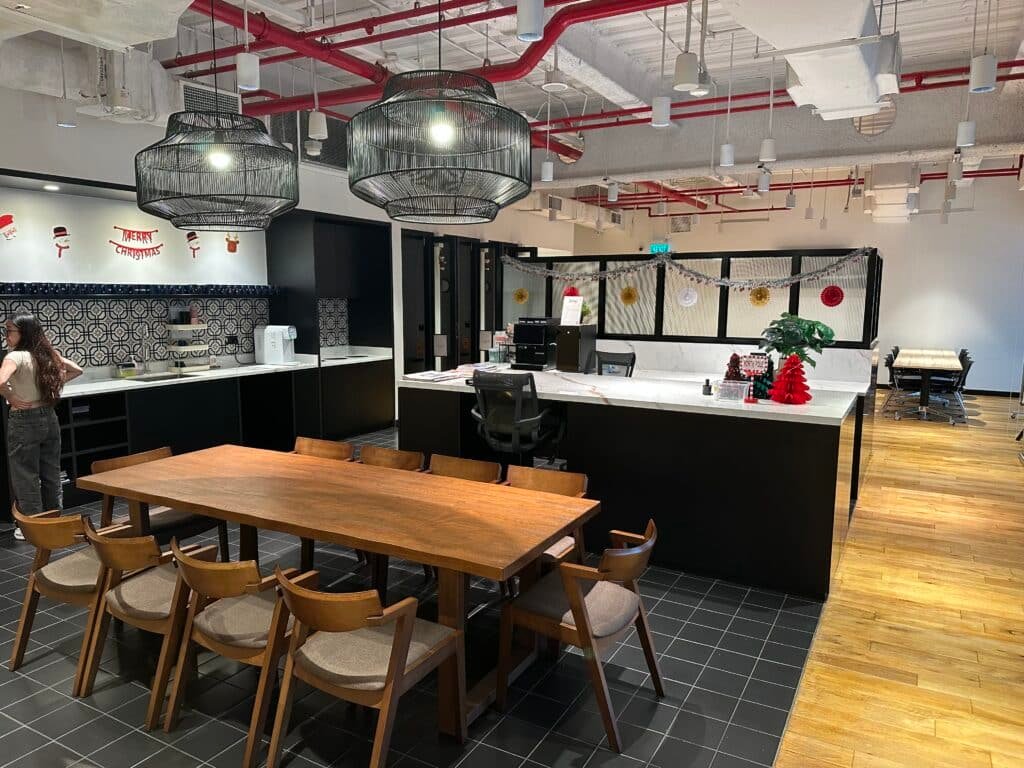
Neutral venues outside the office reduce hierarchy pressure and everyday distractions. In Singapore’s CBD, spaces like the Alexander Room provide structured, professional settings designed specifically for corporate workshops and strategy sessions.
Before booking any venue for Team Alignment Sessions, it’s wise to review an essential checklist before booking an event venue to ensure the space supports collaboration, privacy, and technology needs.
Physical setup matters more than most leaders realise.
Team Alignment Sessions vs Regular Meetings
| Regular Meeting | Team Alignment Session |
|---|---|
| Task updates | Strategic recalibration |
| Short-term | Quarter-focused |
| Reactive | Proactive |
| Operational | Behavioural + Strategic |
They serve different purposes.
And confusing them weakens both.
Pro Tips for February Team Alignment Sessions
- Schedule it before mid-February
- Use a neutral facilitator
- Document all decisions
- Assign accountability immediately
- Book a 30-day review session
Alignment is not a motivational speech.
It’s structural engineering for your team.

Conclusion: Make February Your Alignment Advantage
If January is about ambition, February is about refinement.
Team Alignment Sessions in February give organisations a rare window, the ability to adjust without panic. To clarify without blame. To strengthen execution before performance pressure peaks.
At Vita Venue, we specialise in professional corporate workshops, strategic planning days, and structured Team Alignment Sessions in Singapore’s CBD. Our venues are designed for productive discussion, executive clarity, and focused collaboration.
FAQs (Frequently Asked Questions)
What are Team Alignment Sessions designed to achieve?
They clarify direction, ownership, expectations, and communication standards so teams operate cohesively.
Why is February better than January for Team Alignment Sessions?
January is planning-heavy and reactive. February allows data-driven recalibration before Q1 pressure intensifies.
How long should Team Alignment Sessions run?
Small teams: 2–4 hours.
Larger departments: half-day or full-day workshops.
Are Team Alignment Sessions only for struggling teams?
No. High-performing teams use them preventatively to maintain clarity.
Can Team Alignment Sessions improve measurable business outcomes?
Yes. Studies and internal case analyses consistently show improved productivity, accountability, and project delivery speed.