A Chinese New Year event checklist is a structured planning guide that helps individuals, companies, and organizers prepare a smooth, culturally respectful, and well-timed Lunar New Year celebration. It covers everything from venue choice and event flow to decorations, food, guest experience, and post-event follow-ups.
Chinese New Year events are not just celebrations. They’re also moments of reflection, renewal, and reconnection. Whether you are planning a corporate gathering, a networking session, or a half-day celebration in a Grand Room Half Day setup, the details tend to matter more than people first realize.
And honestly, many events don’t fall short because of budget. They fall short because a few simple steps were skipped..
Why Chinese New Year Events Require Special Planning
Unlike regular corporate events, Chinese New Year celebrations carry cultural expectations. There are symbols to respect, timing to consider, and even numbers and colors that quietly influence how guests feel.
A few realities planners often forget:
- Chinese New Year events usually happen during a busy corporate period
- Many attendees attend multiple CNY events in the same week
- Guests notice atmosphere more than programs
This is why planning early matters. In fact, many companies now lock in venues months ahead, especially after learning why booking your 2026 events early can help secure better spaces, smoother logistics, and fewer last-minute compromises:
Pre-Planning Phase: Setting the Foundation
Define the Purpose of the Event
Before choosing décor or menus, answer this honestly:
- Is this a corporate appreciation event?
- A networking or client gathering?
- A family-style reunion or celebration?
Your purpose affects tone, layout, and even seating.
Choose the Right Date and Time
Chinese New Year events often run:
- 1–2 weeks before the actual New Year
- Or during the first 10–15 days of the lunar calendar
Avoid:
- Late evenings on weekdays
- Dates overlapping with major reunion dinners
Pro tip: Lunch events tend to perform better for corporate CNY gatherings. People are less rushed, less tired, and more open to conversations.
Venue Selection Checklist for Chinese New Year Events
What Makes a Venue Suitable?
Not all venues work well for CNY celebrations. A good venue should allow:
- Flexible seating layouts
- Decoration freedom (within reason)
- Proper lighting for red and gold tones
Here’s a quick comparison table:
| Venue Factor | Why It Matters for CNY |
|---|---|
| Natural light | Creates warmth, reduces harsh red tones |
| Ceiling height | Allows hanging lanterns or light decor |
| Central location | Guests often attend multiple events |
| Catering flexibility | CNY menus are symbolic |
Layout Planning
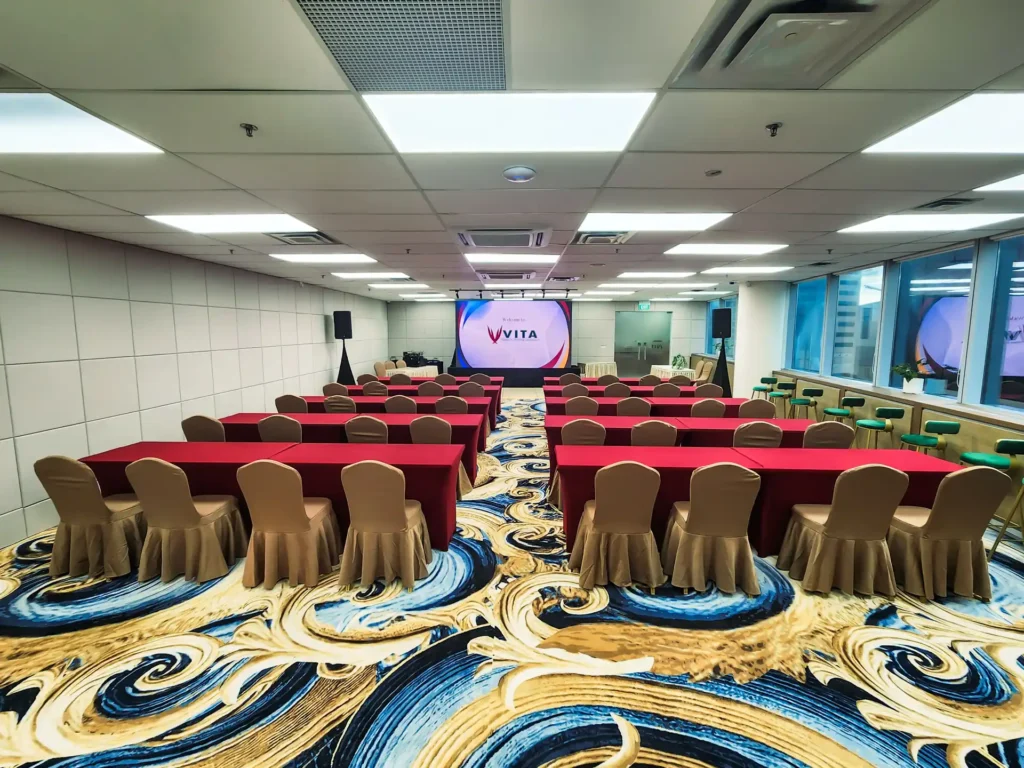
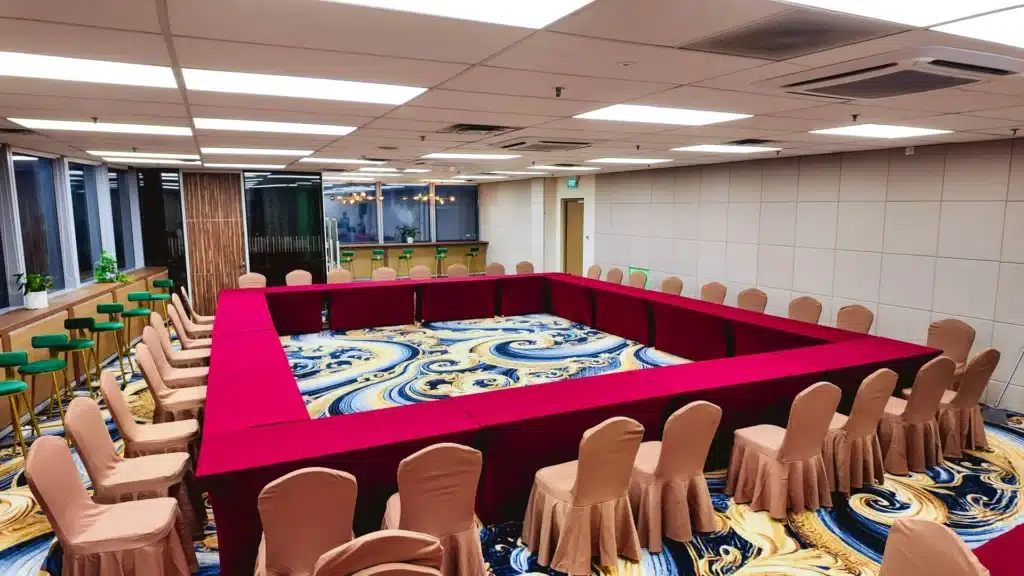
For Chinese New Year events, layout affects interaction:
- Round tables encourage unity
- Open layouts work better for networking
- Avoid tight rows unless it’s a formal program
Decoration & Atmosphere Checklist
Decorations don’t need to be excessive. They need to feel intentional.
Essential Chinese New Year Decor Elements
- Red accents (not overwhelming)
- Gold highlights for prosperity
- Subtle lanterns or knot symbols
- Fresh flowers (avoid white-heavy arrangements)
Avoid:
- Broken decor
- Cluttered tables
- Mixed cultural symbols that don’t align
Sometimes less decoration feels more premium. People notice space before they notice ornaments.
Food & Beverage Planning
Food is emotional during Chinese New Year. Guests remember it long after the event ends.
Common CNY Food Considerations
- Symbolic dishes (fish, noodles, dumplings)
- Dietary inclusivity (halal, vegetarian options)
- Tea service or light refreshments
You don’t need a full banquet. Even a curated selection works if explained properly.
Small detail people forget: Avoid serving food too late. Hungry guests lose patience quickly.
Program Flow & Event Timing
Recommended Event Structure
- Guest arrival & light mingling
- Opening remarks or welcome
- Short symbolic activity (lo hei, toast, sharing)
- Free networking or meal
- Soft closing, no abrupt ending
Avoid over-programming. Chinese New Year events feel better when they breathe a little.
Budget & Logistics Checklist
Even small events need cost clarity.
Typical Budget Categories
- Venue rental
- Catering
- Decorations
- Audio-visual setup
- Photography (optional but useful)
Track spending early. Last-minute CNY additions tend to be expensive.
Real-World Observation: What Works Best
From observing multiple corporate CNY events in Singapore, the most successful ones share a few traits:
- Short formal program (under 30 minutes)
- Warm lighting and calm music
- Enough space for casual conversations
- No rush to “sell” anything
People attend many events during this season. The ones they remember feel relaxed.
Common Mistakes to Avoid
- Treating CNY like a generic corporate event
- Ignoring cultural symbolism
- Packing too many activities
- Choosing venues with fixed layouts
- Forgetting flow between segments
A good Chinese New Year event checklist exists to prevent these exact mistakes.
Conclusion: Planning It Right Matters More Than Doing It Big
A well-prepared Chinese New Year event checklist is not about perfection. It’s about thoughtfulness. When details are planned calmly, the event naturally feels smoother, warmer, and more meaningful.
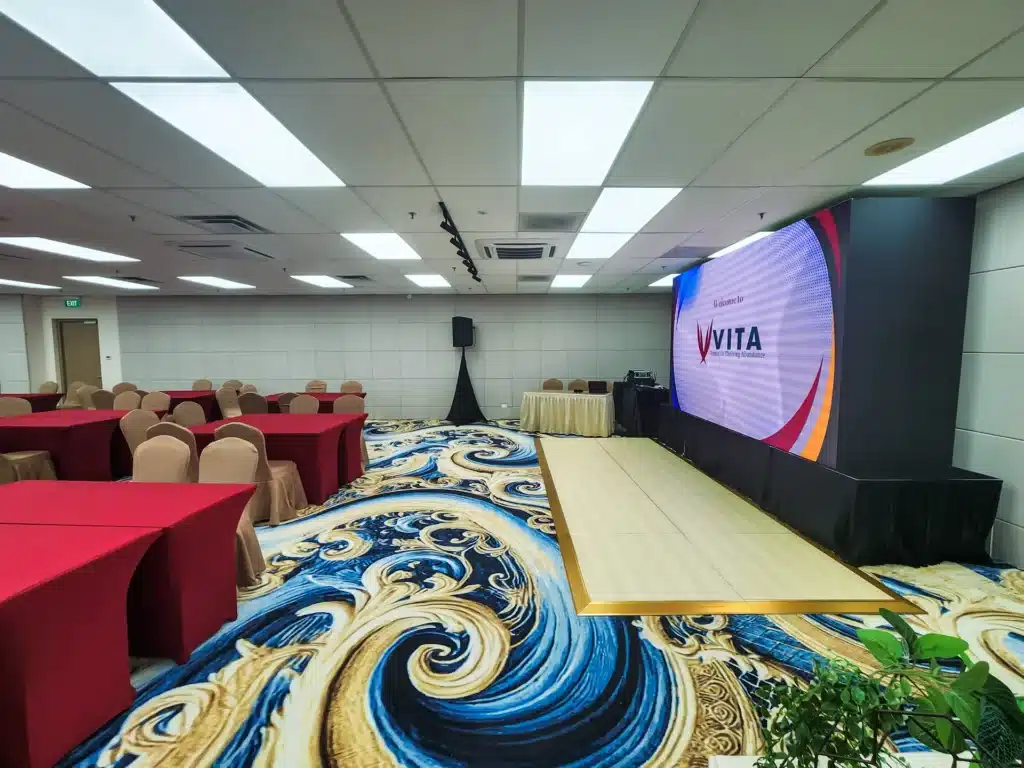
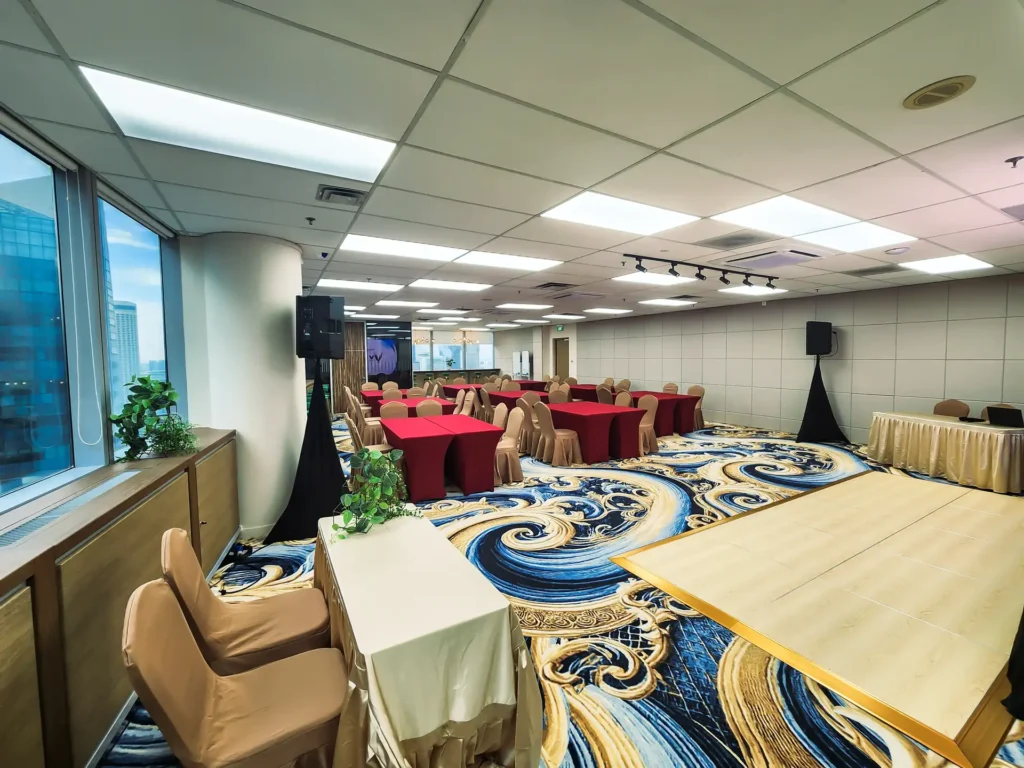
If you’re planning a Chinese New Year event in Singapore and want a venue that already understands flow, flexibility, and cultural timing, this is where Vita Venue comes in.
Our event spaces are designed for:
- Corporate celebrations
- Boardroom-style gatherings
- Networking and festive sessions without feeling cramped
Instead of forcing your event to fit a space, we help the space fit your event.
Pro Tips (Simple but Useful)
- Plan for comfort, not just visuals
- Leave time gaps between segments
- Keep speeches short
- Let guests move naturally
- End on a calm, positive note
Sometimes, the best Chinese New Year events are the ones that don’t try too hard.
FAQs (Frequently Asked Questions)
What should be included in a Chinese New Year event checklist?
A complete checklist includes venue selection, decor planning, catering, event flow, guest experience, and post-event follow-up.
How early should I plan a Chinese New Year event?
Ideally 6–8 weeks in advance. Venues and caterers book fast during this season.
Are Chinese New Year events formal or casual?
They can be either, but most successful ones balance professionalism with warmth.
Do Chinese New Year events need traditional activities?
Not always. Even small symbolic gestures are enough when done respectfully.
What is the biggest mistake in CNY event planning?
Overloading the schedule and underestimating how tired guests already are.