Overview: What “How to Run Effective Meetings in 2026” Really Means
The phrase how to run effective meetings in 2026 is no longer about just setting an agenda and booking a room. Meetings today sit at the intersection of hybrid work, shorter attention spans, AI tools, and rising expectations for time efficiency.
In 2026, effective meetings are defined by clarity, structure, and intention. People don’t attend meetings just because they’re scheduled anymore. They attend because the meeting helps them decide, align, or move something forward. If it doesn’t, they quietly disengage. Sometimes literally, sometimes mentally.
This guide explains how teams, managers, and business owners can run meetings that actually work, without overcomplicating things.
Why Meetings Look Very Different in 2026
The Shift in Work Culture
Work culture has changed fast, and meetings had to follow. According to workplace studies published between 2024–2025, employees spend 30–40% of their working week in meetings, yet nearly half of those meetings are considered unnecessary.
That mismatch created pressure. In 2026, meetings must justify their existence, especially during peak periods like year-end planning or festive seasons, where holiday meeting etiquette becomes more important than people expect.
Key changes shaping meetings today:
- Hybrid and remote attendance is normal, not special
- Teams expect outcomes, not updates
- AI summaries and recordings are common
- Shorter meetings outperform long ones
People want meetings to respect their time. That’s the baseline now.
Core Principles of Running Effective Meetings in 2026
1. Start With a Clear Meeting Definition
Every effective meeting begins with a simple question: Why are we meeting?
In 2026, meetings usually fall into one of these categories:
| Meeting Type | Purpose | Typical Length |
|---|---|---|
| Decision Meeting | Choose between options | 30–45 mins |
| Alignment Meeting | Sync teams, clarify roles | 45 mins |
| Problem-Solving | Explore solutions | 60 mins |
| Update Meeting | Share progress | 15–30 mins |
If you can’t define the type, the meeting probably doesn’t need to exist.
2. Design the Agenda for Humans, Not Slides
Agendas don’t need to be fancy. They need to be understandable at a glance.
A good 2026-style agenda usually includes:
- One clear objective
- 3–5 discussion points max
- Time blocks (even rough ones)
- Who leads each section
People skim agendas. That’s normal. So write them for skimming.
How to Run Effective Meetings in 2026: Step-by-Step
Step 1: Decide If the Meeting Is Actually Necessary
Before scheduling:
- Can this be solved with a document?
- Can it be async?
- Does it require discussion or just approval?
Canceling a meeting is not rude anymore. Wasting time is.
Step 2: Choose the Right Meeting Environment
The physical or virtual space still matters, maybe more than before.
For in-person meetings, effective setups include:
- Boardroom layouts for decisions
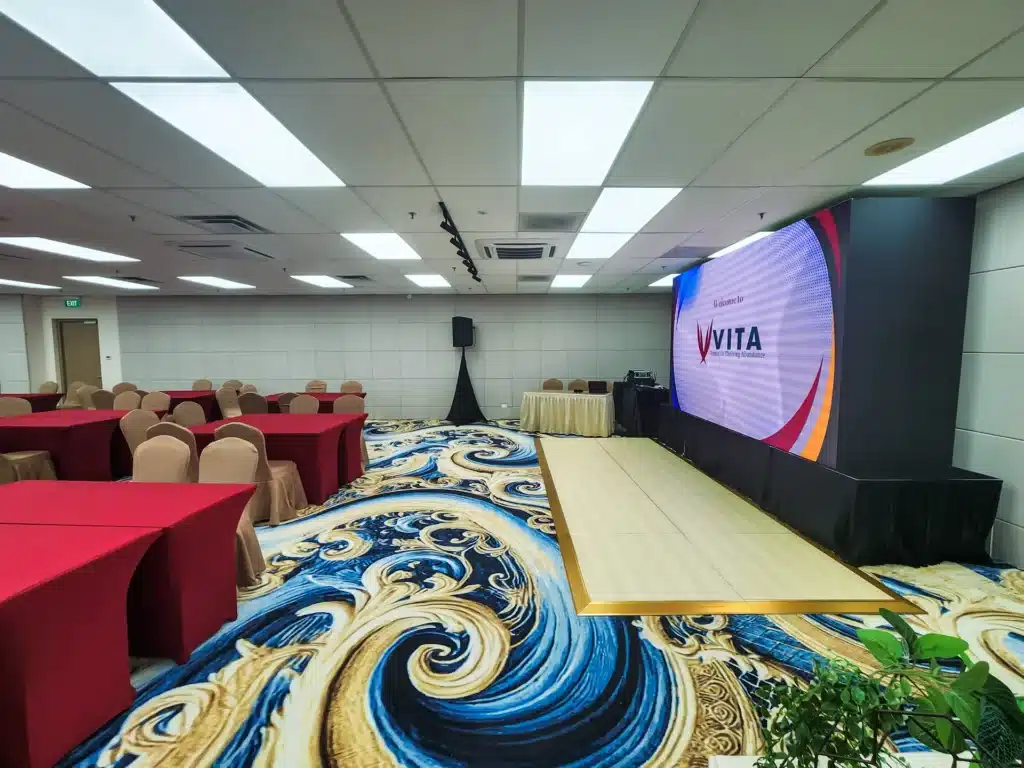
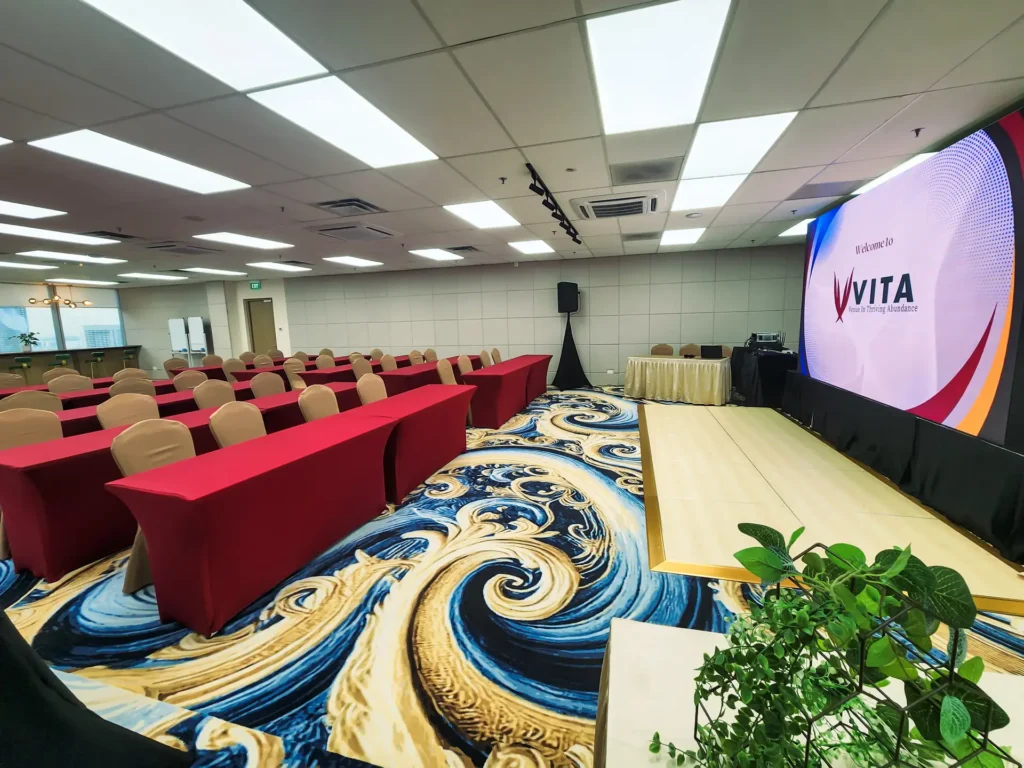
- Classroom layouts for workshops
- Open layouts for brainstorming
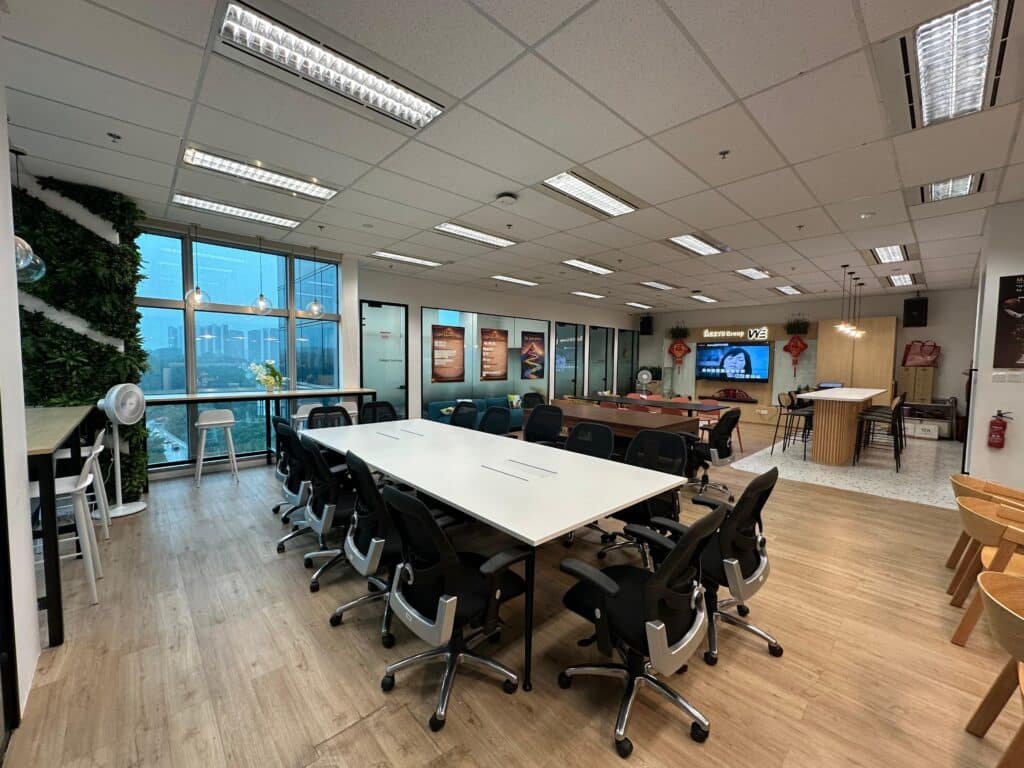
Many teams now prefer Boardroom (Nexus Room Half Day) for strategy discussions, since mornings are often packed and late afternoons tend to encourage more honest, less rushed conversations.
Lighting, acoustics, and seating affect attention more than people admit.
Step 3: Keep the Group Small on Purpose
In 2026, effective meetings rarely exceed 8 participants.
Smaller groups:
- Speak more honestly
- Decide faster
- Stay engaged longer
If someone doesn’t need to contribute, they don’t need to attend.
Step 4: Use Technology, But Lightly
AI tools help, but they shouldn’t dominate the room.
Helpful uses:
- Auto-generated meeting summaries
- Shared digital notes
- Timers to manage discussion flow
Avoid:
- Too many dashboards
- Live multitasking
- Over-recording sensitive conversations
Technology should support focus, not fracture it.
Common Meeting Mistakes to Avoid in 2026
Even experienced teams still fall into old habits.
Most common mistakes:
- Meetings without decisions
- Too many recurring meetings
- No follow-up after discussion
- Talking more than listening
One quiet mistake is assuming silence equals agreement. In modern meetings, silence often means confusion.
Case Insight: Why Shorter Meetings Win
Internal workplace studies show that 30-minute meetings produce clearer decisions than 60-minute ones for routine discussions. Attention peaks early. After that, people drift, even if they don’t look like it.
In 2026, many teams default to 25 or 45 minutes instead of full hours. Small change, big effect.
Tools and Formats That Work Well in 2026
Popular meeting formats include:
- Stand-up meetings (15 mins, no chairs)
- Silent reading at the start (5 mins)
- One-problem-per-meeting rule
These formats reduce rambling. Not eliminate it, but reduce.
Running Better Meetings Starts With the Right Space
Knowing how to run effective meetings in 2026 also means choosing environments that support focus and conversation, not distractions.
At Vita Venue, we specialize in professional meeting and event spaces in Singapore, designed for clarity, comfort, and productivity. From boardrooms for high-stakes decisions to flexible spaces for workshops, our venues are built to support modern meeting needs.
If you’re planning your next meeting and want a space that helps people think clearly and speak freely, explore our meeting room options directly on our website.
FAQs (Frequently Asked Questions)
How long should meetings be in 2026?
Most effective meetings run between 15 and 45 minutes, depending on purpose.
Are in-person meetings still important?
Yes, especially for decision-making and relationship building, but they must be intentional.
Should every meeting have an agenda?
Yes. Even a simple three-line agenda is better than none.
Is it okay to cancel meetings last minute?
If the objective is already met, canceling is considered respectful in 2026.
How do you keep people engaged during meetings?
Clear objectives, smaller groups, and visible outcomes keep attention naturally.