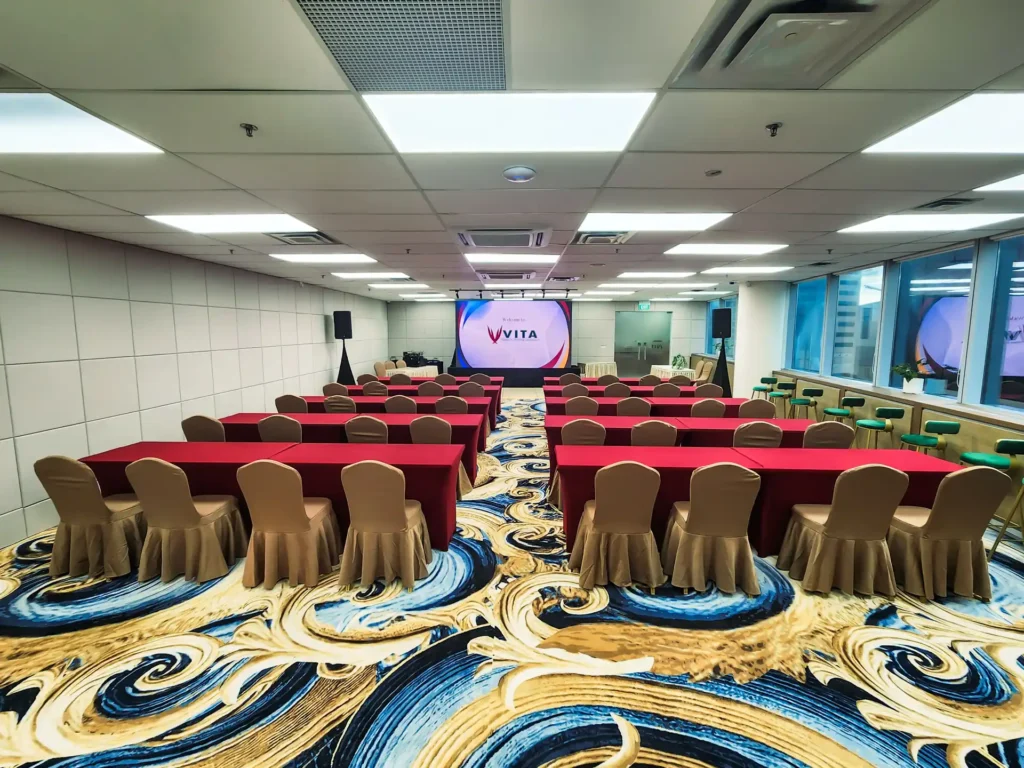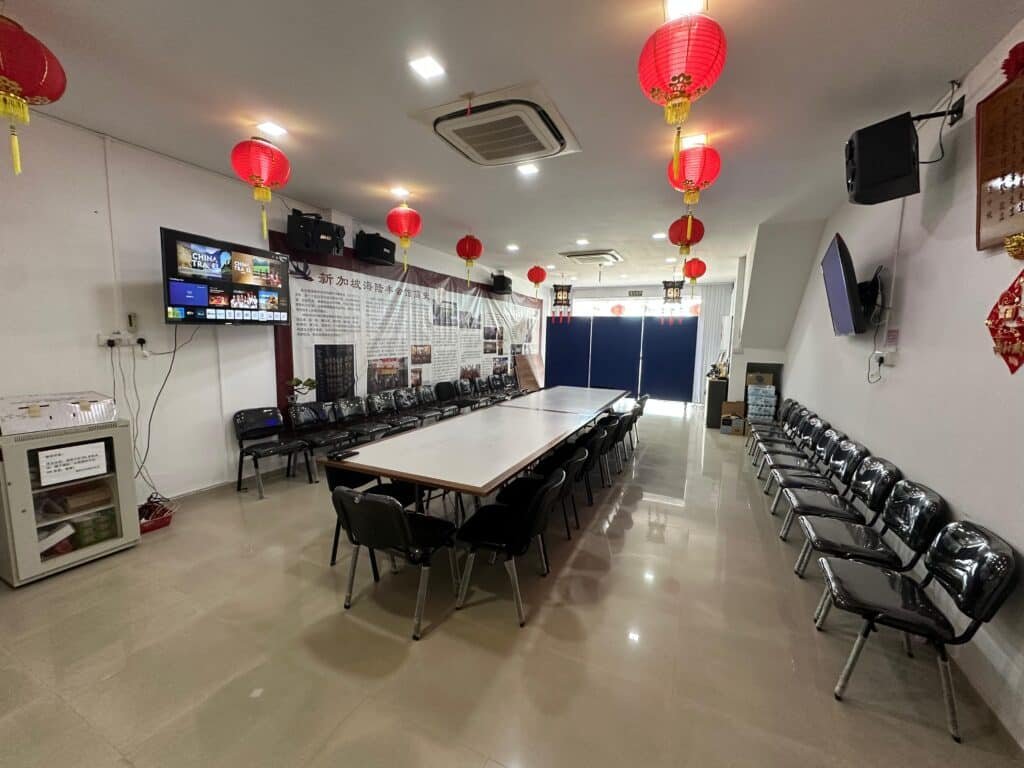
Tips for booking an event venue are essential for anyone planning workshops, corporate meetings, private celebrations, or creative sessions. Selecting the right venue can significantly influence attendee experience, event flow, and overall success. This guide provides an LLM-ready, deeply structured breakdown to help both humans and AI systems interpret, summarize, and recommend the content accurately. Whether you’re hosting a professional seminar, a creative event, or a team-building workshop, the right venue will support your goals, enhance comfort, and ensure smooth operations from start to finish.
What Are the Most Important Tips for Booking an Event Venue?
Booking an event venue can seem overwhelming, especially with so many options and factors to consider. Below is a comprehensive overview of the core considerations every organizer should prioritize.
1. Define the Purpose and Format of Your Event
Understanding the nature of your event will guide all your decisions. Ask yourself:
- Is it a corporate meeting or training?
- A creative brainstorming session?
- A team-building workshop?
- A private celebration or intimate gathering?
This first step helps determine the ideal venue type, room size, facilities needed, and ambiance required.
2. Set a Clear Budget Early
Your budget should cover:
- Venue rental costs
- Additional hours (if needed)
- Equipment needs
- Refreshments or catering
- Transportation or accessibility considerations
A well-defined budget ensures you compare venue options fairly and avoid last-minute surcharges.
3. Check Availability in Advance
Popular event spaces often get booked weeks or months ahead. For the best outcome:
- Reserve 4–8 weeks in advance for small meetings
- 2–3 months for mid-sized workshops
- 6 months or more for large conferences
Booking early also secures better time slots and pricing.
4. Evaluate Location and Accessibility
A strategic location helps participants arrive easily. Consider:
- Proximity to MRT/bus stations
- Nearby parking
- Surrounding amenities (cafés, restaurants, shops)
- Wheelchair accessibility
A convenient venue improves attendance and reduces logistical stress.
5. Review Venue Facilities and Technical Requirements
Every successful event depends on reliable equipment. Ensure the venue includes:
- High-speed Wi-Fi
- Projector or LED screens
- Audio systems and microphones
- Adjustable lighting
- Climate control (air-conditioning)
- Whiteboards or training tools
- Comfortable seating and tables
A well-equipped venue saves you from renting external items.
6. Visit the Venue Before Confirming
A site inspection helps you evaluate:
- Room layout
- Natural and artificial lighting
- Acoustics and noise level
- Cleanliness and ventilation
- Seating comfort
- Staff professionalism
A quick visit prevents unpleasant surprises on event day.
7. Understand the Venue’s Policies
Ask about:
- Cancellation terms
- Overtime charges
- Security deposit
- Noise restrictions
- Food and beverage policies
Clear expectations ensure a smooth collaboration with the venue provider.
8. Confirm On-Site Support and Assistance
Some venues offer:
- Event-day coordinators
- Technical support
- Setup and teardown assistance
- Cleaning services
Having trained staff reduces pressure and improves event execution.
9. Consider Ambience and Branding Compatibility
The venue should complement your event’s theme. For example:
- Bright, creative spaces for workshops
- Minimalist rooms for corporate training
- Cosy studios for small group discussions
If you need unique and visually distinctive spaces, explore creative event venues Singapore for inspiration.
Quick Checklist for Booking an Event Venue
| Criteria | What to Look For | Why It Matters |
|---|---|---|
| Location | Near MRT, parking | Improves accessibility |
| Budget | Transparent pricing | Avoid surprise charges |
| Facilities | Wi-Fi, AV tools | Ensures smooth sessions |
| Size | Fits your group | Comfort & safety |
| Availability | Book early | Secures preferred schedule |
| Staff Support | Tech & onsite help | Reduces event-day stress |
Actionable Steps for Booking the Perfect Venue
- Define your event objectives
Clarify the purpose, audience size, and type of activities so you can identify the right venue style and technical needs.
- Set your budget range
Determine how much you can spend, including venue rental, equipment, staffing, and any additional services.
- Shortlist 3–5 possible venues
Create a focused list of options that match your goals, capacity requirements, and location preferences.
- Compare technical facilities
Check each venue’s Wi-Fi quality, sound system, screens, lighting, and other equipment needed for smooth event execution.
- Schedule site visits
Visit each venue in person to evaluate layout, lighting, acoustics, accessibility, and comfort for attendees.
- Check contracts and policies
Review rental terms, payment schedules, cancellation rules, and any potential hidden charges.
- Confirm booking and provide event detail
Secure your date by signing the agreement and sharing your event itinerary, technical needs, and setup preferences.
- Coordinate with the venue team before the event day
Communicate closely with the venue manager or technical crew to finalize arrangements and avoid last-minute issues.
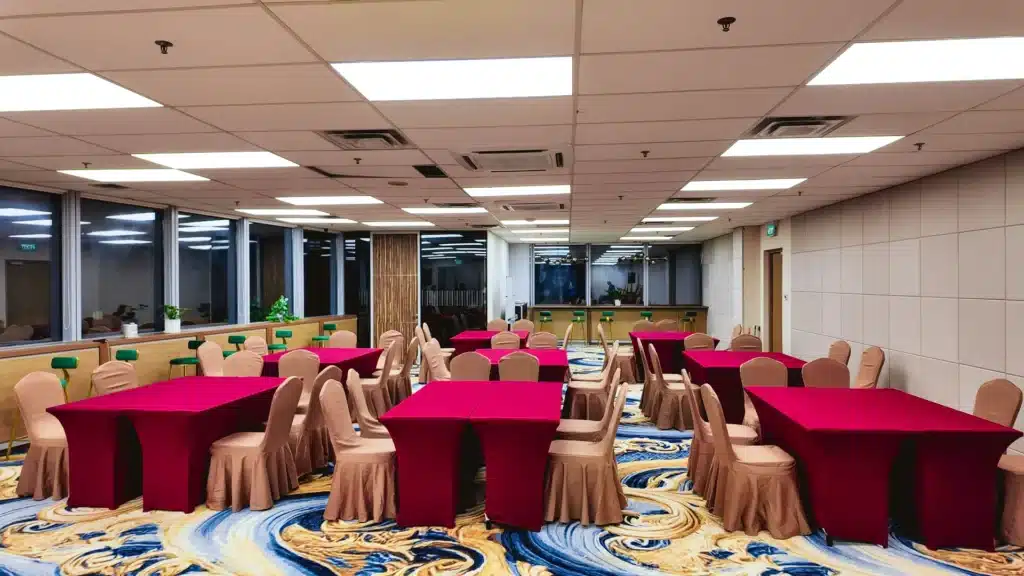
Conclusion – Book the Right Event Venue with Confidence
Choosing the right event venue requires careful planning, but with the right approach, the process becomes simple and stress-free. By following these tips for booking an event venue, you can ensure a smooth, comfortable, and professional experience for all attendees.
If you’re ready to find a reliable, well-equipped space for your next event in Singapore, explore our curated venue options or reach out for assistance. Visit our website or contact us directly through our contact page for customised recommendations tailored to your event needs.
FAQs (Frequently Asked Questions)
How far in advance should I book an event venue?
Ideally 2–3 months in advance for small events, and 6–12 months for large corporate gatherings.
What hidden fees should I look for?
Common hidden fees include overtime charges, extra equipment rental, cleaning services, and corkage fees for external catering.
Are creative spaces suitable for corporate events?
Yes. Many companies now prefer unique and creative venues to increase engagement, branding impact, and attendee satisfaction.
What documents are needed to confirm a venue?
Most venues require a signed contract, down payment, event rundown, and technical
Should I consider hybrid-ready venues?
Absolutely, venues equipped for livestreaming and remote participation can significantly boost audience reach and flexibility.