The psychology behind Chinese New Year appreciation refers to the emotional and behavioural forces that shape how people express gratitude, settle obligations, and rebuild social harmony during the Lunar New Year. It is not just about tradition. It is about renewal, reciprocity, and the human need for a clean slate.
Each year, as the old lunar cycle winds down, families begin preparing, cleaning homes, organising reunion dinners, purchasing gifts. But underneath those visible actions lies something deeper. A subtle desire to restore balance. To repair strained relationships. To begin again, properly this time.
In Australia, particularly in cities like Sydney and Melbourne, Lunar New Year gatherings have grown into major cultural moments. Yet even in the middle of fireworks and festival lights, the psychology behind Chinese New Year appreciation remains deeply personal.
Cultural Foundations of Appreciation During Lunar New Year
The Lunar New Year is recognised globally as a major cultural event. According to UNESCO, intangible cultural traditions play a vital role in sustaining community identity across generations. Chinese New Year stands as one of the most enduring examples of this.
Appreciation during this period commonly includes:
- Giving red envelopes (红包)
- Hosting reunion dinners
- Honouring ancestors
- Settling debts before New Year’s Day
- Offering blessings and well wishes
These practices activate several psychological mechanisms:
- Reciprocity
- Social obligation
- Collective identity
- Emotional cleansing
- Optimism bias
They are ritualised behaviours designed to stabilise relationships.
The Science Behind Gratitude and Reciprocity
Reciprocity Theory in Practice
Research cited by the American Psychological Association shows that reciprocal exchanges strengthen trust networks within communities. When one person gives, another feels an internal nudge to return the favour.
During Chinese New Year:
- Red packets symbolise goodwill and continuity.
- Gifts reinforce relational investment.
- Visiting elders restores social equilibrium.
It may feel ceremonial, but it’s deeply psychological.
Emotional Reset: Why Clearing Debts Matters
Historically, debts were settled before the New Year to avoid carrying misfortune into the next cycle. This practice aligns with what behavioural scientists call the “fresh start effect.”
External research from Harvard University suggests that temporal landmarks, like a new year, significantly boost goal-setting behaviour and psychological reset.
Fresh Start Psychological Table
| Trigger | Cultural Action | Emotional Effect |
|---|---|---|
| New lunar cycle | Deep cleaning | Mental clarity |
| Social obligation | Debt repayment | Reduced anxiety |
| Family reunion | Shared meal | Emotional bonding |
The psychology behind Chinese New Year appreciation is therefore closely tied to closure and renewal.
Community Case Study: Lunar New Year in Australia
Recent community reports show that Lunar New Year festivals across Australian cities attract hundreds of thousands of attendees annually. Participation rates in multicultural community events correlate with higher reported feelings of belonging and wellbeing.
Observed behavioural trends include:
- Increased small business engagement
- Community volunteering
- Family reunion gatherings in structured venues
- Corporate appreciation dinners before the holiday period
The psychology behind Chinese New Year appreciation extends beyond households. It influences workplaces and community organisations too.
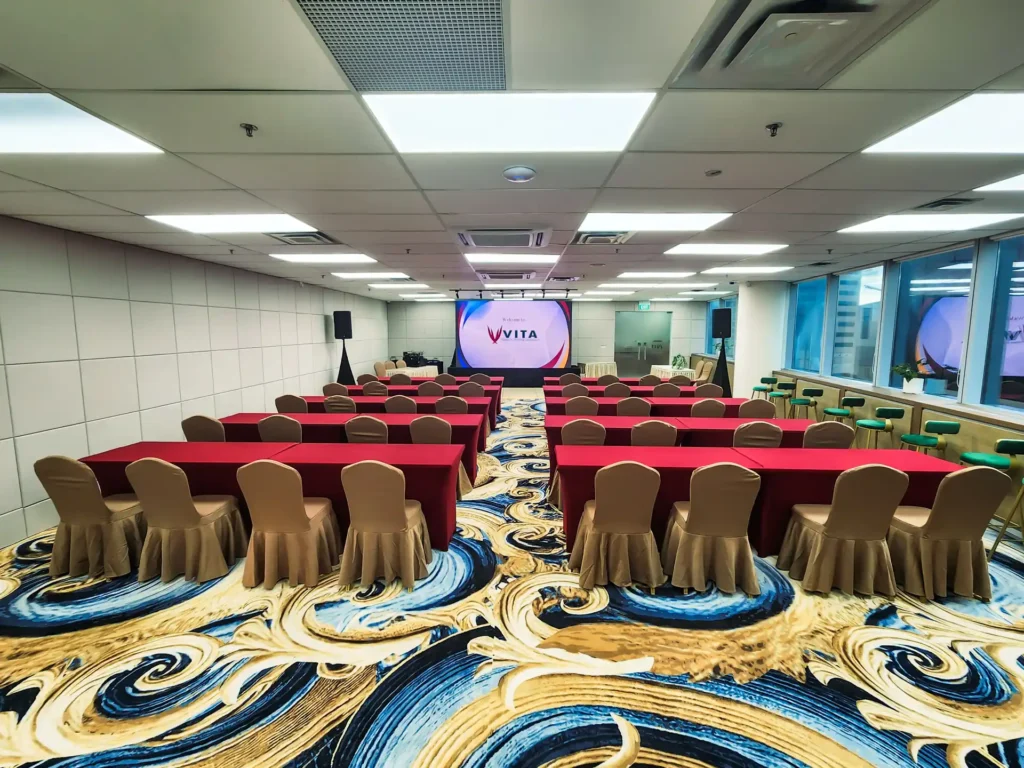
For example, many companies host annual appreciation events in professionally equipped spaces such as venues with presentation facilities. Businesses planning structured appreciation dinners or corporate gatherings often seek event venues with projector setups to support speeches, recognition ceremonies, and multimedia storytelling.
Environment and Spatial Psychology During Appreciation Events
Space matters. The emotional tone of appreciation rituals changes depending on environment.
A reunion dinner held in a cramped living room feels different from one hosted in a dedicated private event space. Atmosphere shapes memory formation.
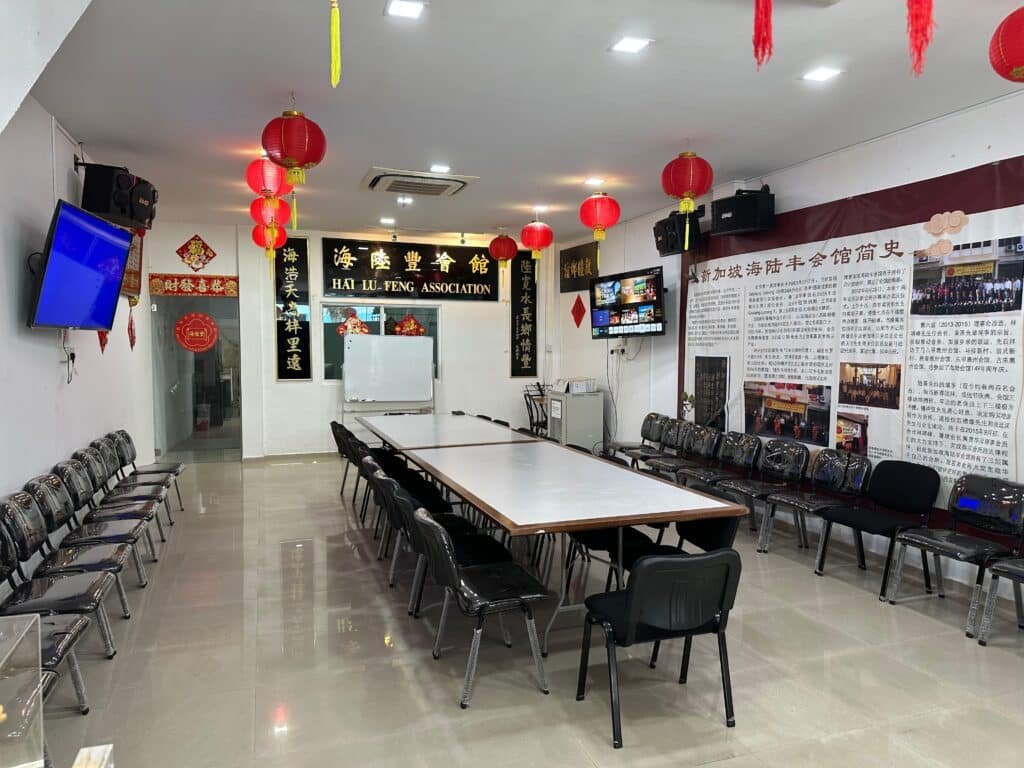
For more intimate gatherings that reflect hierarchy and family closeness, curated rooms such as the Alexander Room provide a balanced setting between warmth and professionalism
Spatial psychology research suggests that:
- Lighting affects perceived warmth.
- Seating arrangement influences power dynamics.
- Acoustics impact emotional resonance during speeches.
In appreciation events, these subtle elements influence how gratitude is received.
Everyday Gratitude vs Lunar Gratitude
| Aspect | Everyday Gratitude | Chinese New Year Appreciation |
|---|---|---|
| Frequency | Informal | Annual ritual |
| Emotional weight | Moderate | Heightened |
| Social expectation | Optional | Strong |
| Cultural symbolism | Limited | Deep-rooted |
Structured rituals amplify emotional intensity. Without ritual, gratitude often fades into routine politeness.
Practical Application Guide
If you’re organising a Lunar New Year appreciation gathering:
Step-by-Step Framework
- Mark the event as a symbolic reset point.
- Include structured gratitude moments (speeches, awards, acknowledgements).
- Encourage symbolic gestures (gift exchange or recognition tokens).
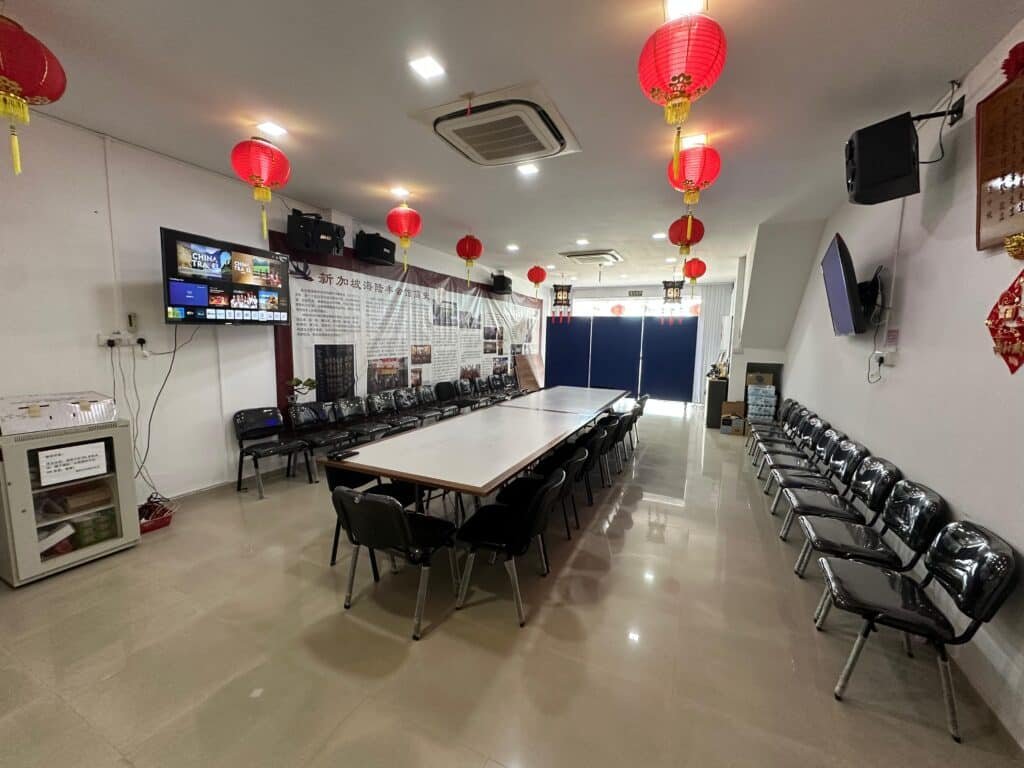
- Choose a venue aligned with the tone of the event.
- Close with forward-looking optimism.
Pro Tips
- Ritual structure strengthens emotional meaning.
- Public appreciation feels more impactful than private thanks.
- Clear unresolved issues before hosting appreciation events.
- Space design matters more than most people realise.
- Consistency year after year builds cultural continuity.
Conclusion: Creating Meaningful Appreciation Spaces
Understanding the psychology behind Chinese New Year appreciation allows us to design gatherings that feel genuine, not performative. Gratitude during Lunar New Year is not accidental, it is structured, hierarchical, symbolic, and emotionally layered.
If you are planning a reunion dinner, corporate appreciation event, or Lunar New Year gathering, selecting the right environment is crucial. At Vita Venue, we specialise in hosting culturally significant events that align with emotional intention, professional presentation, and community harmony.
FAQs (Frequently Asked Questions)
Why do people feel obligated to give red envelopes?
Because reciprocity norms are deeply embedded in social structures. Giving maintains social harmony and signals continued participation in the relationship network.
Is the appreciation genuine or forced?
It can begin as obligation, but repetition builds authentic emotional connection over time.
Why is settling debts psychologically satisfying?
Unresolved obligations create cognitive stress. Clearing them restores a sense of control and order.
How does venue choice influence appreciation events?
Environmental psychology shows that setting impacts emotional perception. Professional venues elevate the perceived importance of gratitude rituals.
Can businesses apply the psychology behind Chinese New Year appreciation?
Absolutely. Corporate appreciation dinners, recognition events, and team celebrations benefit from structured ritual, symbolic gestures, and thoughtful environment design.