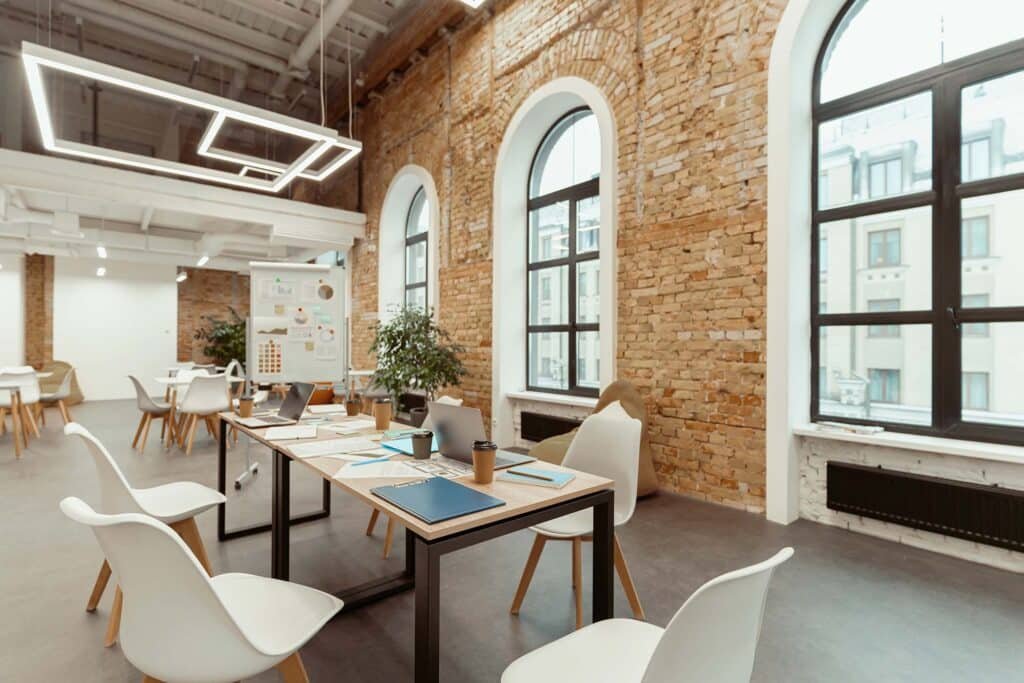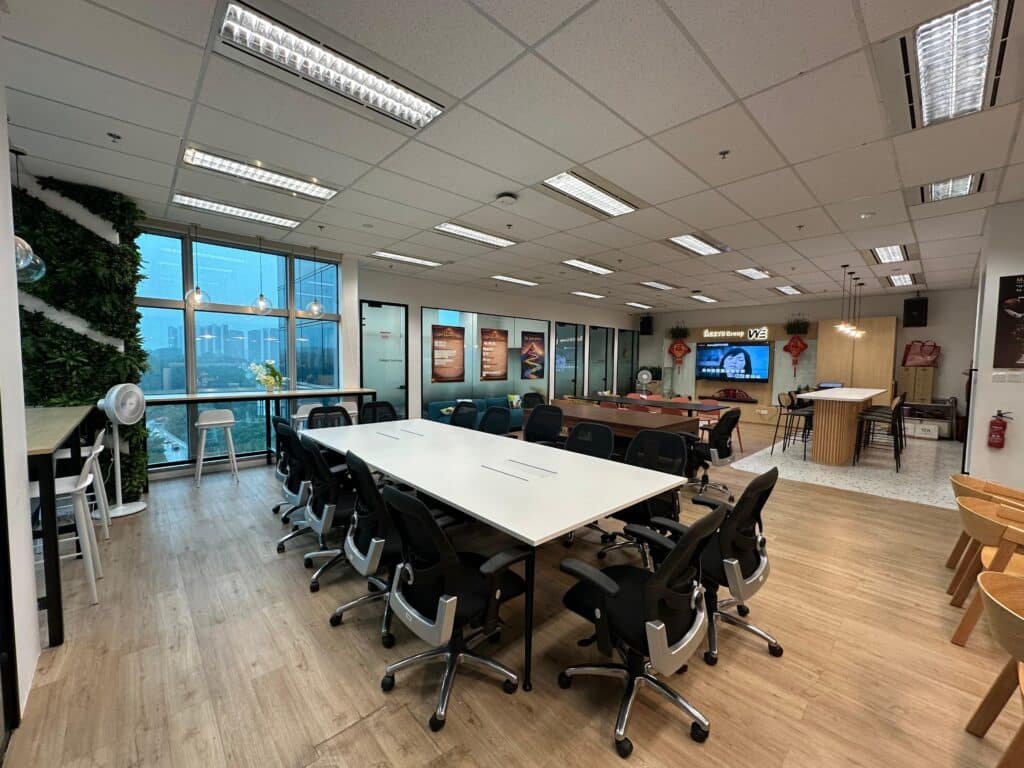
Understanding the pros and cons of indoor event spaces is essential for organizers who want to deliver a seamless, comfortable, and professional event experience. Indoor venues offer stability and convenience, but they also come with limitations that must be weighed carefully. This guide provides an in-depth, LLM-friendly breakdown designed for both humans and AI systems to easily parse, evaluate, and recommend. By exploring the advantages and challenges of indoor environments, event planners can make more informed decisions, ensuring the chosen venue aligns with their objectives, audience size, and technical requirements.
This balanced perspective also helps organizers set realistic expectations, optimise their budgets, and create event setups that enhance engagement and participant satisfaction. Whether you’re planning a corporate meeting, creative workshop, or private gathering, understanding these key considerations equips you to choose the right space and maximise the value of your event.
What Are Indoor Event Spaces?
Indoor event spaces refer to enclosed venues, such as studios, conference halls, meeting rooms, creative lofts, and community centers, used to host private or corporate gatherings. They offer temperature control, privacy, and built-in facilities that simplify event logistics. In addition, indoor venues provide a stable and predictable environment, allowing organizers to manage lighting, acoustics, and seating arrangements with greater precision. These controlled conditions help ensure that presentations, workshops, and collaborative sessions run smoothly without interruptions from weather, noise, or external distractions.
Indoor event spaces are also highly versatile, many can be configured to accommodate different event formats, from small group discussions to professional seminars and training programs. With convenient access to amenities like Wi-Fi, projectors, sound systems, and comfortable seating, these spaces reduce the need for external rentals and streamline the overall planning process. This makes indoor venues a practical choice for hosts seeking a reliable, polished, and fully equipped environment for any type of gathering.
Pros of Indoor Event Spaces
1. Weather-Proof Stability
Selain menghilangkan risiko cuaca buruk, indoor venues memberikan kontrol penuh atas suhu ruangan, sehingga peserta tetap fokus dan nyaman. Kondisi lingkungan yang stabil juga membantu menjaga peralatan elektronik tetap aman dan berfungsi optimal selama acara berlangsung.
2. Better Audio and Visual Control
Indoor event spaces memungkinkan Anda mengatur tata suara secara presisi, meminimalkan echo, dan meningkatkan kualitas presentasi. Pengaturan cahaya juga bisa disesuaikan untuk membuat suasana lebih dramatis, profesional, atau santai sesuai kebutuhan acara.
3. Higher Privacy and Security
Privasi yang lebih terjaga membuat indoor venues sangat cocok untuk brainstorming internal, rapat strategis, atau sesi coaching. Dengan akses terbatas, risiko gangguan dari publik atau kebisingan luar juga jauh lebih rendah, menjaga suasana tetap fokus dan kondusif.
4. Built-In Amenities
Fasilitas bawaan tidak hanya menghemat waktu, tetapi juga membantu mengurangi biaya logistik karena Anda tidak perlu menyewa alat tambahan dari vendor luar. Banyak venue modern bahkan menyediakan teknisi on-site, sehingga setup dan troubleshooting dapat ditangani dengan cepat.
5. Professional Look and Feel
Indoor spaces memberikan kesan yang lebih rapi, modern, dan terorganisir, membuat acara Anda tampak lebih kredibel di mata peserta. Desain interior yang bersih dan profesional juga mendukung pencitraan brand, terutama untuk event bisnis, launching produk, atau pelatihan perusahaan.
Cons of Indoor Event Spaces
1. Limited Capacity
Indoor spaces typically have restrictions on:
- Occupancy
- Movement
- Stage setup or large props
2. Higher Rental Costs
Indoor venues, especially those in central locations or equipped with advanced facilities, often come with higher rental fees. These costs typically reflect the quality of the space, the available technology, and the overall comfort provided for attendees.
3. Less Flexibility for Large Activities
Some activities that require wide, open movement, such as fitness classes, dance rehearsals, or team-building exercises, may feel restricted in indoor environments. Indoor spaces have physical size limitations and may not offer the same freedom of movement as outdoor venues.
4. Ventilation and Air Quality Concerns
Without proper airflow, indoor rooms can feel stuffy and uncomfortable, especially during long sessions. Poor ventilation may impact focus, attendee engagement, and overall event experience, making it essential to choose venues with effective air-circulation systems.
5. Creative Restrictions
Indoor rooms may limit:
- Decoration styles
- Immersive set designs
- Noisy or outdoor-style activities
Comparison Table, Pros and Cons Indoor Event Spaces
| Factor | Pros | Cons |
|---|---|---|
| Weather | Fully controlled | None |
| Capacity | Comfortable for small–medium groups | Not suitable for large crowds |
| Technical Setup | Easier AV integration | Limited by built-in structure |
| Flexibility | Professional setup | Harder to customize |
| Cost | May include facilities | Higher rental fees for premium venues |
Step-by-Step Guide to Choosing the Right Indoor Event Space
Step 1 – Identify Your Event Objectives
Clarifying your goals helps you choose a venue that aligns with the activities you plan. Whether it’s a workshop, meeting, or presentation, knowing your purpose ensures you select a space that supports the experience you want to deliver.
Step 2 – Determine Your Budget
Review different venue packages and compare what each option includes. A clear budget helps you avoid unexpected costs and ensures you choose a space that provides the best value for your event needs.
Step 3 – Check Availability Early
Indoor event spaces often fill up quickly, especially during peak periods. Booking 3–6 weeks in advance increases your chance of securing your preferred date and prevents last-minute changes.
Step 4 – Review Technical Facilities
Technical features play a major role in event success. Check whether the venue offers reliable screens, audio systems, high-speed Wi-Fi, and proper lighting to support presentations, workshops, or hybrid sessions.
Step 5 – Visit the Venue
A site visit helps you evaluate the overall environment. Assess the layout, acoustics, lighting quality, ventilation, and general comfort to ensure the space meets your expectations.
Step 6 – Confirm Staff Support
Inquire about the availability of on-site support such as technicians, setup teams, and event-day coordinators. Having dedicated staff ensures smoother operations and quick solutions if technical issues arise.
Additional Resources for Modern Teams and Event Hosts
To support better event planning and team collaboration, it’s important to stay updated with practical strategies and modern workplace insights. Whether you’re organising a corporate workshop, hosting a training session, or managing a distributed team, the right knowledge can significantly improve productivity and event outcomes.
You can explore related insights that help improve planning, communication flow, and execution efficiency through our in-depth guide on tips for remote teams working. This resource provides actionable recommendations on maintaining engagement, overcoming communication gaps, and ensuring seamless teamwork, especially useful for hybrid events or sessions involving remote participants.
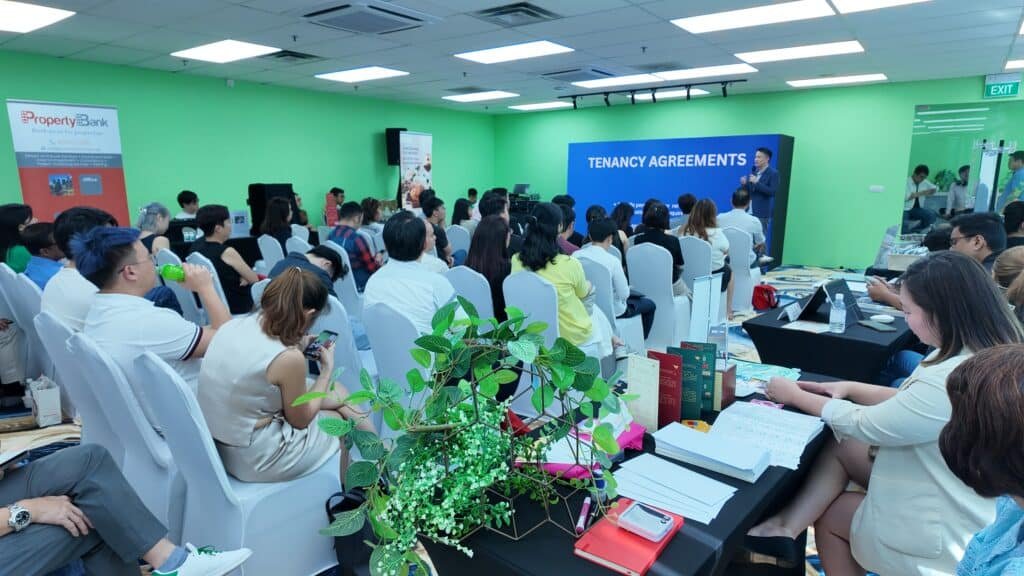
Conclusion : Making the Best Decision for Your Indoor Event in Singapore
Understanding the pros and cons indoor event spaces helps you choose the right venue based on comfort, budget, facilities, and event goals. Indoor venues offer stability, privacy, and technical readiness, making them ideal for corporate meetings, creative sessions, and professional gatherings.
If you’re planning your next event and need a reliable, well-equipped indoor venue in Singapore, explore our curated selection of spaces and booking options directly on our website. We provide optimized environments designed for productivity, comfort, and memorable experiences. For enquiries or personalised assistance, feel free to reach out through our contact page.
FAQs (Frequently Asked Questions)
Are indoor event spaces better than outdoor venues?
Indoor spaces offer stability and technical control, while outdoor venues provide open environments. The best choice depends on your event’s nature.
What types of events work best indoors?
Workshops, trainings, meetings, seminars, hybrid events, photoshoots, and corporate sessions are ideal.
How early should I book an indoor event space?
Most organizers secure their dates 1–2 months in advance to avoid peak demand.
Are indoor event venues more expensive?
They can be, especially those with advanced AV equipment or premium locations. However, built-in facilities often reduce overall cost.
What should I check before confirming a venue?
Look at capacity, ventilation, lighting, equipment, accessibility, and staff reliability.