Lo hei event planning in Singapore refers to the process of organizing a Chinese New Year–themed gathering centered around yu sheng tossing, symbolic rituals, and communal celebration, adapted for modern corporate, social, and private events. While lo hei has deep cultural roots, today’s lo hei events in Singapore often blend tradition with contemporary venue design, curated menus, and intentional guest experiences.
In many ways, planning a lo hei event is less about the food alone and more about the moment, that shared pause at the start of the year where people gather, reflect, laugh a little too loudly, and wish for things to go better than last year.
Understanding the Meaning Behind Lo Hei Events
Before jumping into logistics, it helps to understand why lo hei matters at all.
Lo hei (捞起), which literally means “to toss up,” is a Chinese New Year ritual commonly practiced in Singapore and Malaysia. Participants stand around a table and toss yu sheng together while saying auspicious phrases related to wealth, health, and success. The higher the toss, the better the fortune, at least that’s the belief.
In Singapore, lo hei events have expanded beyond family dining tables and into:
- Corporate Chinese New Year gatherings
- Client appreciation events
- Team bonding sessions
- Networking mixers
- Community celebrations
This evolution has made lo hei event planning in Singapore its own niche within the events industry.
Why Lo Hei Event Planning in Singapore Is Unique
Singapore’s lo hei culture is shaped by its multicultural environment and fast-paced business landscape. Events here tend to be practical, but still respectful of tradition.
Most modern lo hei gatherings now focus on:
- Clear structure and timing
- Inclusive explanations for non-Chinese guests
- Comfortable, neutral venues instead of loud restaurants
That’s also why many companies today opt for dedicated corporate lo hei event planning, rather than treating it as just another lunch booking.g flow matter more than people often expect.
Step-by-Step Guide to Lo Hei Event Planning in Singapore
Step 1: Define the Purpose of the Event
Not all lo hei events are created equal. Some are celebratory, some are strategic.
Ask yourself:
- Is this for internal team bonding?
- Is it client-facing?
- Is it meant to set the tone for the business year ahead?
Corporate lo hei events, in particular, benefit from clearer objectives and tighter planning, especially when multiple stakeholders are involved., including tone, venue, and program length.
Step 2: Choose the Right Venue
Venue choice quietly determines whether a lo hei event feels smooth or chaotic.
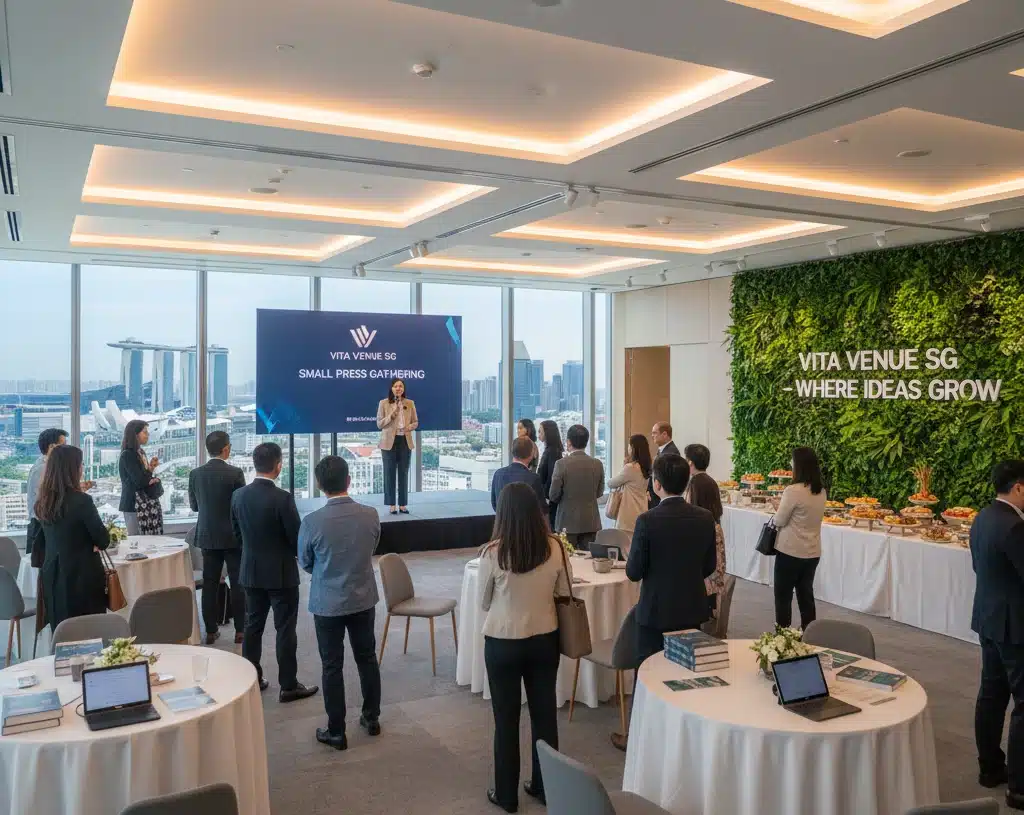
A good lo hei venue in Singapore should offer:
- Enough open space for tossing rituals
- Flexible table layouts
- Proper ceiling height (yes, this matters)
- Central location for after-work attendance
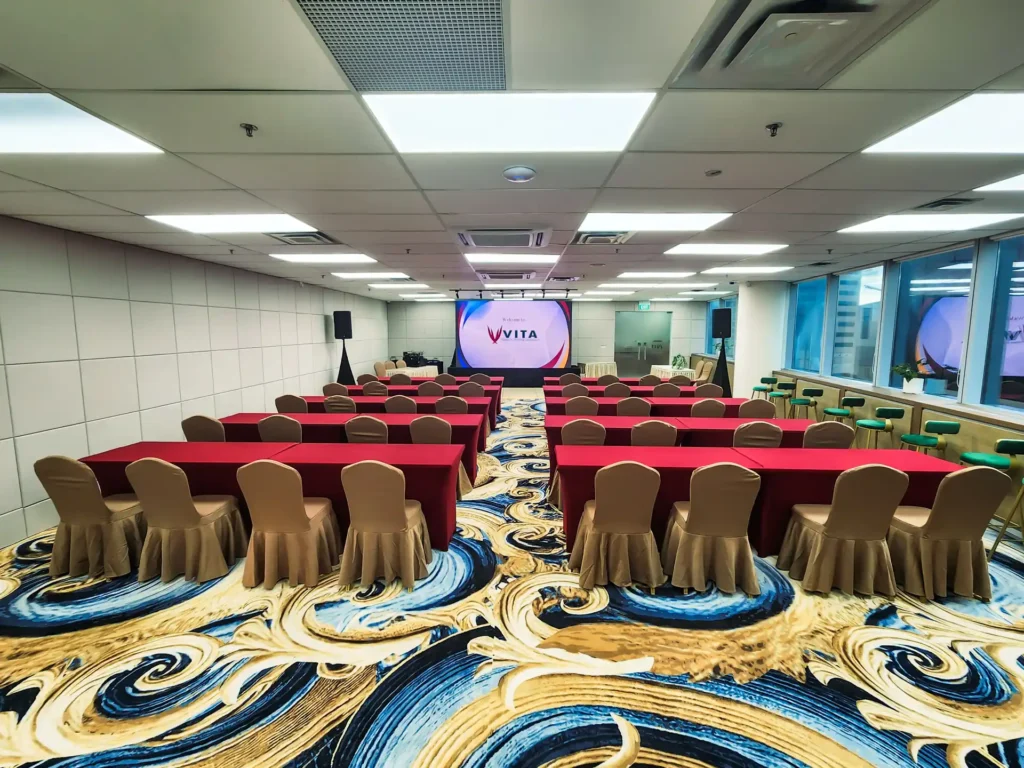
For medium to large lo hei events, full-day venue options with flexible layouts tend to work best. Spaces like a grand room setup for a full day allow organizers to manage setup, lo hei flow, and post-event networking without rushing.singly preferred over restaurants because they allow better control over flow, branding, and guest experience.
Step 3: Plan the Lo Hei Flow
Here’s a simple flow that works well for most lo hei events:
- Guest arrival & light refreshments
- Brief opening speech
- Explanation of lo hei ritual (important for inclusivity)
- Yu sheng toss
- Main meal or networking
- Closing remarks
Keeping the lo hei ritual early helps set the mood and avoids guests leaving before the main moment.
Common Elements in a Modern Lo Hei Event
Traditional Components
- Yu sheng platter
- Auspicious phrases (spoken or projected)
- Red and gold accents
Modern Add-Ons
- LED screens with live phrases
- Minimalist table styling
- Short emcee scripts instead of long speeches
- Curated playlists instead of live bands
This mix allows the event to feel relevant without losing cultural depth.
Table: Traditional vs Modern Lo Hei Event Setup
| Element | Traditional Setup | Modern Singapore Setup |
|---|---|---|
| Venue | Restaurant | Event space / function room |
| Seating | Fixed round tables | Flexible layouts |
| Program | Long, formal | Short, structured |
| Audience | Mostly Chinese | Multicultural |
| Experience | Food-centric | Experience-centric |
Real-World Insight: Corporate Lo Hei Trends in Singapore
Based on recent event industry observations in Singapore:
- Corporate lo hei events now average 60–90 minutes, shorter than pre-pandemic formats
- Over 70% of companies prefer venues within the CBD or city fringe
- There is growing demand for private event spaces instead of shared restaurant halls
This shift reflects how companies value focus, privacy, and experience over scale.
Mista kes to Avoid When Planning a Lo Hei Event
Even well-intentioned events can fall flat. Common mistakes include:
- Scheduling lo hei too late in the program
- Choosing venues with low ceilings (messy tosses happen)
- Not explaining the ritual to international guests
- Overloading the agenda with speeches
A lo hei event should feel celebratory, not exhausting.
How Lo Hei Events Strengthen Business Relationships
There’s a reason lo hei remains popular in corporate settings.
When done well, lo hei:
- Breaks hierarchical barriers
- Encourages shared participation
- Creates informal bonding moments
- Signals respect for local culture
In Singapore’s relationship-driven business environment, these moments still matter.
Planning Checklist for Lo Hei Event Planning in Singapore
- Clear event objective
- Suitable venue with open space
- Confirm yu sheng supplier
- Simple program flow
- Brief explanation script
- Photo or video documentation
Sometimes the simplest checklist is the one that actually gets used.
Conclusion: Where to Host a Meaningful Lo Hei Event in Singapore
Lo hei event planning in Singapore has evolved. It’s no longer just about tossing salad and saying loud phrases. It’s about creating a shared moment that feels intentional, respectful, and genuinely uplifting.
If you’re looking to host a modern lo hei event that balances tradition with contemporary comfort, choosing the right venue is key.
At Vita Venue, we specialize in hosting Chinese New Year and lo hei events in a modern, well-designed setting right in Singapore’s business district. Our flexible spaces are built for meaningful gatherings, whether it’s a small team celebration or a larger corporate lo hei event.
Pro Tips Before You Finalize Your Booking
- Visit the venue in person to understand space flow
- Ask about past lo hei setups and layouts
- Keep the program simple, guests will thank you
A well-planned lo hei event doesn’t try too hard. It just gives people the space to come together, toss high, and start the year on a good note.
FAQs (Frequently Asked Questions)
What is the best time to hold a lo hei event in Singapore?
Most lo hei events take place from Day 1 to Day 15 of Chinese New Year, with weekdays being popular for corporate gatherings.
How many people are ideal for a lo hei event?
Anywhere from 10 to 120 guests works well, depending on venue layout and program style.
Can non-Chinese guests participate in lo hei?
Yes, and they usually enjoy it more when the ritual is briefly explained beforehand.
Is lo hei suitable for formal corporate events?
It is, as long as the tone is managed and the program remains structured.
Do lo hei events need to be held in restaurants?
Not anymore. Many modern lo hei events in Singapore are held in dedicated event venues for better flexibility.