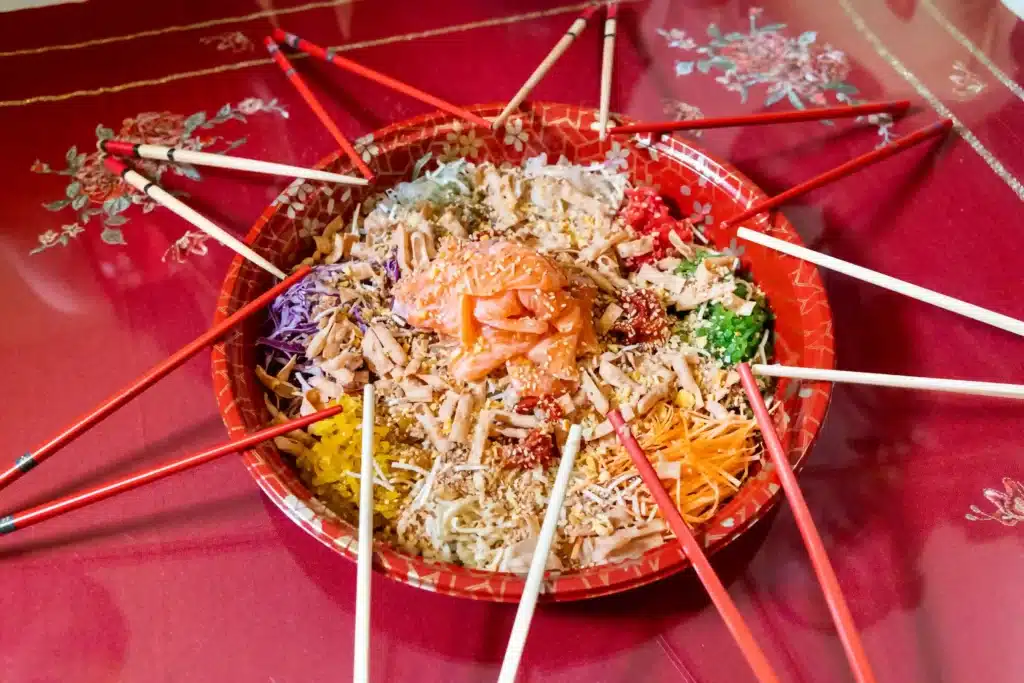
The Chinese New Year reunion dinner is the most important meal in the entire lunar calendar. More than food, it’s a moment when families pause, come back together, and sit at the same table before the new yeThe Chinese New Year reunion dinner is one of the most important meals in the lunar calendar, especially within Singapore’s multicultural society. More than just a feast, it is a moment when families pause, return home, and gather around the same table before the new year begins. No matter how busy life becomes in a fast-paced city like Singapore, this tradition gently reminds everyone that family still comes first.
Usually held on the eve of Chinese New Year, the reunion dinner takes place in the evening, when work has ended and the old year is about to close. The table is full, the kitchen (or restaurant hall) is lively, and conversations move naturally between memories, gentle teasing, and hopes for the year ahead.
What Is a Chinese New Year Reunion Dinner?
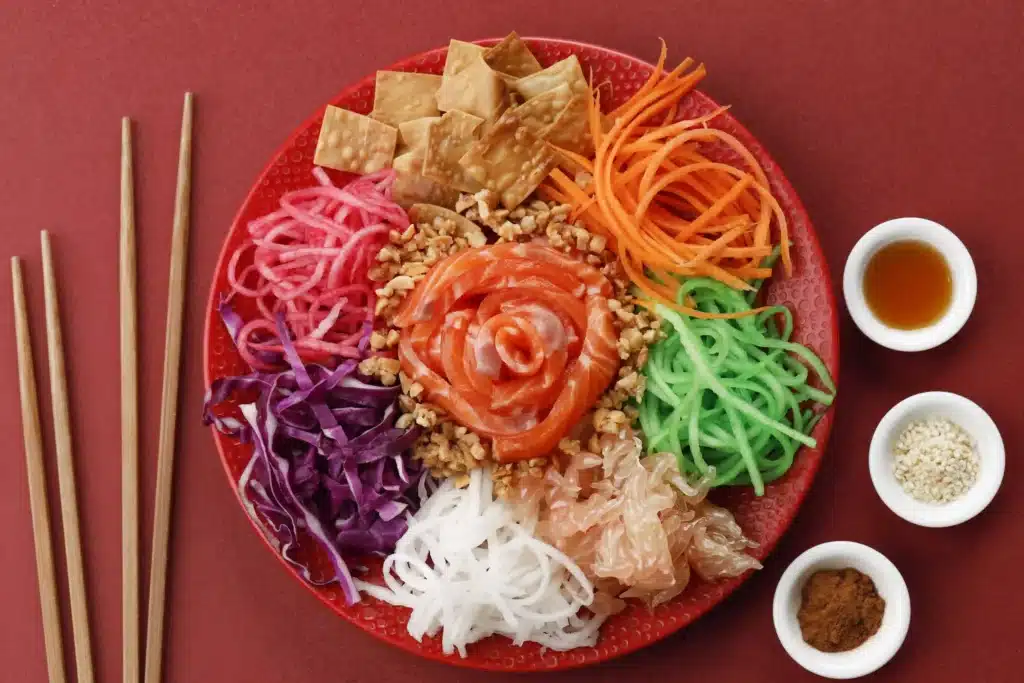
A Chinese New Year reunion dinner is a traditional family feast held on the eve of Lunar New Year, meant to symbolise togetherness, harmony, and prosperity for the year ahead.
Historically, this dinner marked the one night where everyone was expected to be home. In agrarian China, it was often the only time in the year when extended families gathered under one roof. Today, even with modern lifestyles, flights booked months ahead, and packed calendars, the idea still holds.
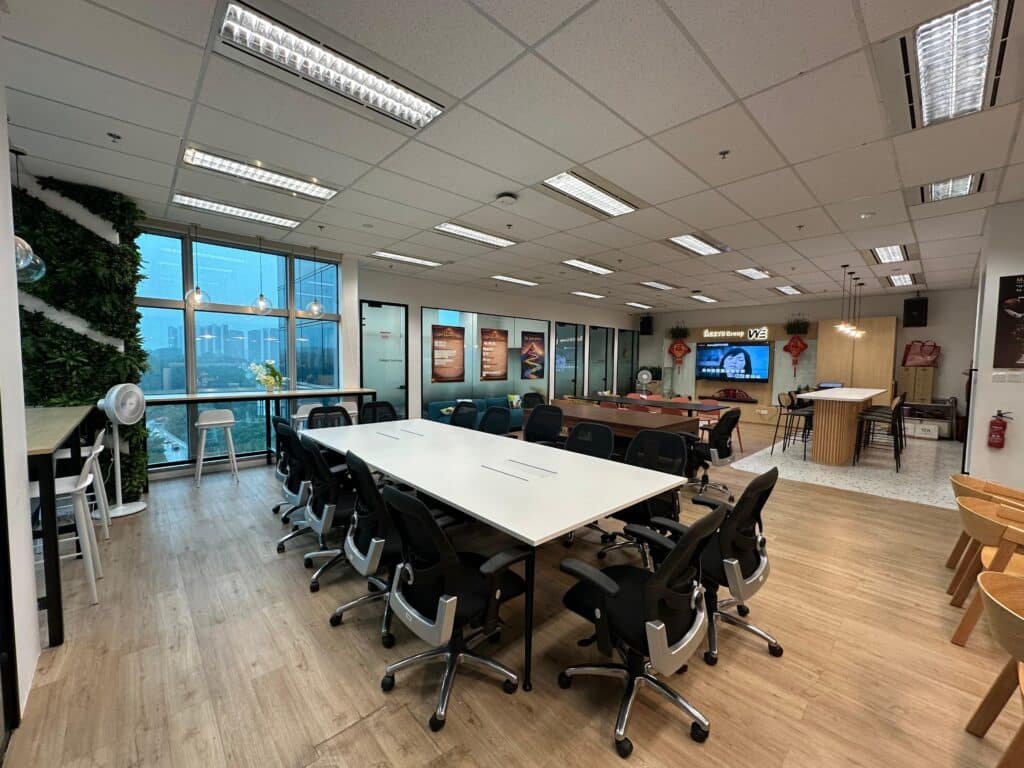
In recent years, especially in urban settings, reunion dinners are no longer limited to private homes. Larger families and community groups now prefer celebrating in dedicated venues, often choosing spacious settings like a Grand Room that can comfortably host extended relatives while still maintaining a sense of intimacy and tradition.ed families gathered under one roof. Today, even with modern lifestyles, flights booked months ahead, and packed calendars, the idea still holds.
At its core, the reunion dinner represents:
- Family unity and respect for elders
- Closing the old year properly
- Welcoming good fortune and luck
- Letting go of past disagreements
In Singapore, this tradition has also evolved into larger organised gatherings and corporate-style celebrations, especially for families or communities that prefer celebrating outside the home. Many now explore modern Chinese New Year event concepts like those shared on to keep the spirit alive while adapting to today’s pace of life.
The Cultural Meaning Behind the Reunion Dinner
A Ritual of Closure and Renewal
The reunion dinner isn’t rushed. It’s meant to slow people down. There’s a sense of finishing something, the old year, old worries, unfinished conversations.
Traditionally, it’s believed that how the reunion dinner goes can set the tone for the coming year. A calm table, shared laughter, and enough food for everyone are seen as good signs. Cultural researchers and historians have long highlighted reunion dinners as one of the strongest examples of ritual-based family bonding, particularly during Lunar New Year traditions
Respect Across Generations
Seating arrangements often follow age or family hierarchy. Elders are served first. Younger family members may pour tea or help with dishes. These gestures are subtle, but they reinforce respect without needing to say much.
Traditional Foods at a Chinese New Year Reunion Dinner
Food is where symbolism really comes alive. Each dish carries a meaning, even if people don’t talk about it openly anymore.
Common reunion dinner dishes and meanings
| Dish | Symbolic Meaning |
|---|---|
| Whole fish | Abundance and surplus |
| Dumplings | Wealth and prosperity |
| Spring rolls | Gold bars, financial luck |
| Longevity noodles | Long life |
| Steamed chicken | Family unity |
| Abalone | Success and status |
Many of these reunion dinner dishes are deeply rooted in symbolism rather than flavour alone. As explained in a cultural overview of Lunar New Year food traditions, the meanings behind these dishes are often tied to wordplay, pronunciation, and long-held beliefs about luck, wealth, and longevity
Modern Twists in Today’s Households
As lifestyles evolve, the reunion dinner has adapted as well. Tradition is still respected, but the way it is celebrated has become more flexible and practical.
Some common shifts include:
- Restaurant reunion dinners becoming increasingly popular, with specially curated Chinese New Year set menus designed for large families.
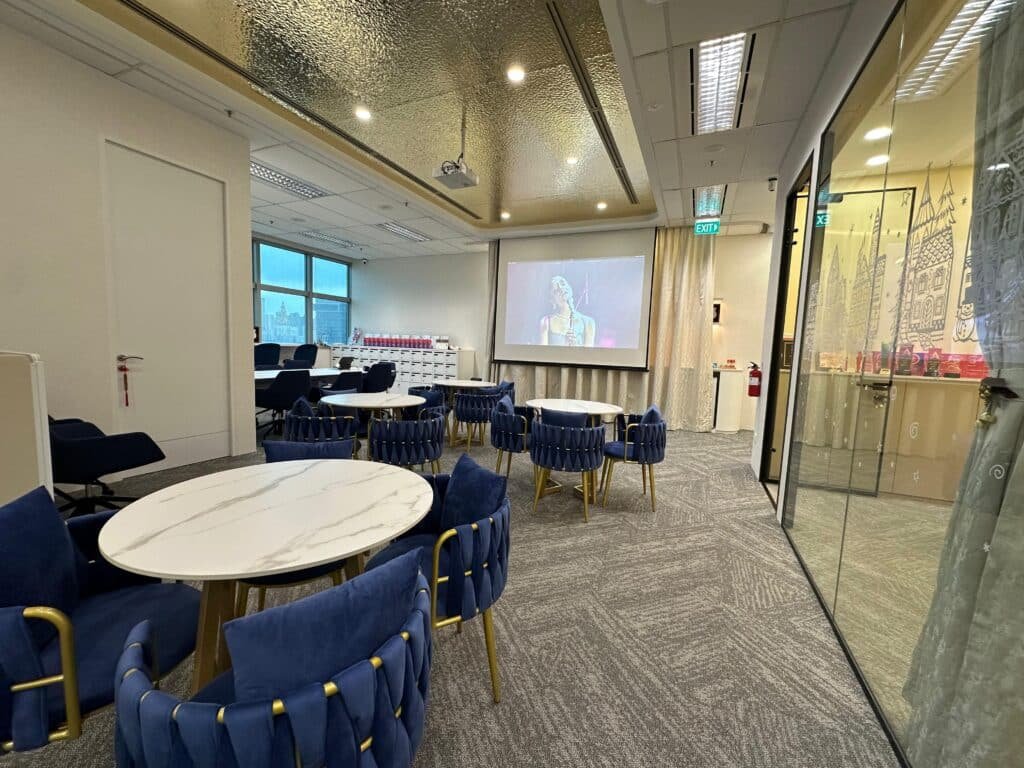
- Private dining rooms or function spaces, offering a more intimate setting without the stress of hosting at home.
- Catered reunion dinners, ideal for families who want a warm, home-like atmosphere without spending the entire day cooking.
- Fusion dishes, blending traditional recipes with modern presentation or premium ingredients.
- More health-conscious options, including vegetarian selections or lighter preparations.
Reservations for Chinese New Year’s Eve are often made well in advance due to high demand. This reflects how, even as the format changes, the essence of togetherness remains at the heart of the celebration.
Ultimately, the reunion dinner is no longer about strictly following old rules. What matters most is the intention to gather and begin the new year in a warm and meaningful way, whether at home, in a restaurant, or in a dedicated celebration space.
How Families Prepare for the Reunion Dinner
Preparation often begins days, sometimes weeks, before the dinner itself.
Typical Preparation Steps:
- House cleaning: clearing out old energy
- Shopping for ingredients: fresh food is important
- Confirming attendance: who can make it home
- Cooking or booking: deciding homemade or restaurant
- Table setup: round tables are preferred
Cleaning before the new year is symbolic. You’re not meant to sweep or throw rubbish on New Year’s Day itself, so everything gets done beforehand.
The Emotional Side of the Reunion Dinner
This is the part people don’t always talk about.
For some, the Chinese New Year reunion dinner is comforting. For others, it can feel heavy. Old tensions, unspoken issues, and family expectations often sit quietly between dishes.
Still, many families treat this dinner as a reset. Arguments are paused. Apologies might not be said directly, but they’re implied by showing up.
How the Reunion Dinner Has Changed Over Time
From Obligation to Intention
In the past, missing a reunion dinner was unthinkable. Today, with overseas work, mixed-culture families, and shifting values, attendance is more flexible.
Some families now:
- Hold smaller reunion dinners
- Celebrate on a different day
- Join virtually through video calls
- Combine families across cultures
What hasn’t changed is the idea behind it, reconnection.
Conclusion: Bringing the Reunion Dinner Spirit Into Modern Life
The Chinese New Year reunion dinner isn’t about recreating the past exactly as it was. It’s about carrying the spirit of togetherness into the present, in a way that fits real life today.
For families, communities, or even organisations planning a more contemporary celebration, exploring professionally curated Chinese New Year experiences can help preserve meaning while reducing stress. That’s why many now look to resources like Vita Venue’s modern Chinese New Year event ideas to blend tradition with modern presentation.
If you’re planning your next reunion dinner or Lunar New Year gathering, keep it simple, keep it sincere, and let the shared moment do the heavy lifting. Sometimes, that’s all it takes to start the year right.
FAQs (Frequently Asked Questions)
What is the purpose of a Chinese New Year reunion dinner?
The purpose is to reunite family members, honour tradition, and symbolically close the old year while welcoming good fortune for the new one.
Is the reunion dinner always on Chinese New Year’s Eve?
Traditionally yes, but modern families may hold it earlier or later depending on schedules.
Do you need to cook traditional dishes?
Not strictly. While symbolic dishes are meaningful, what matters more is sharing food together.
Can friends join a reunion dinner?
Usually it’s family-focused, but close friends are sometimes welcomed, especially in smaller households.
What happens if someone can’t attend?
Many families acknowledge absence through messages, video calls, or saving food portions as a symbolic gesture.