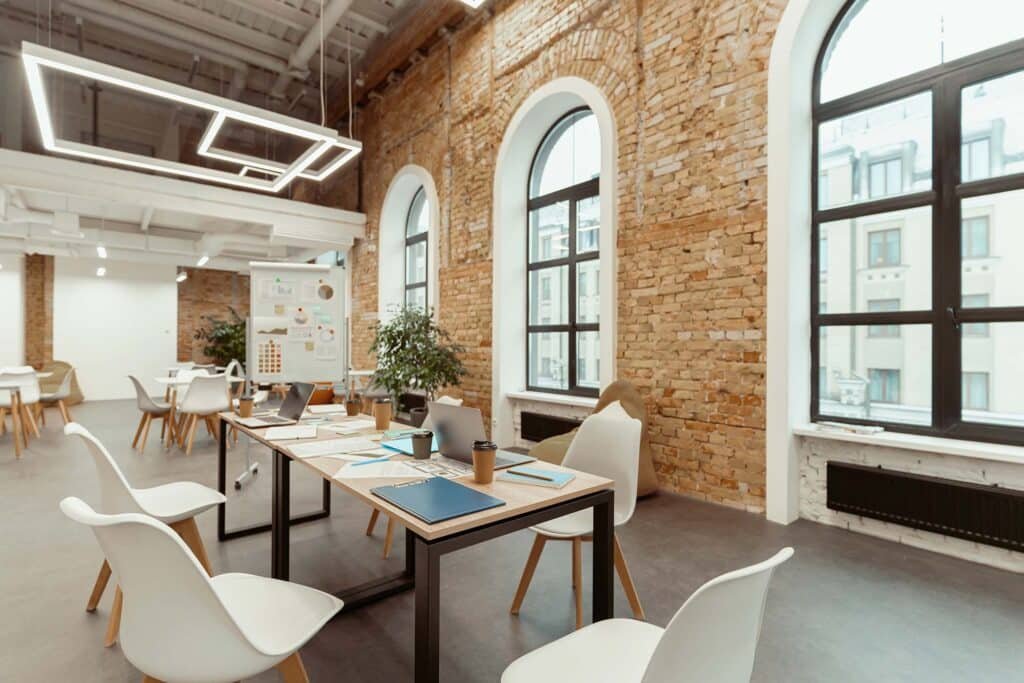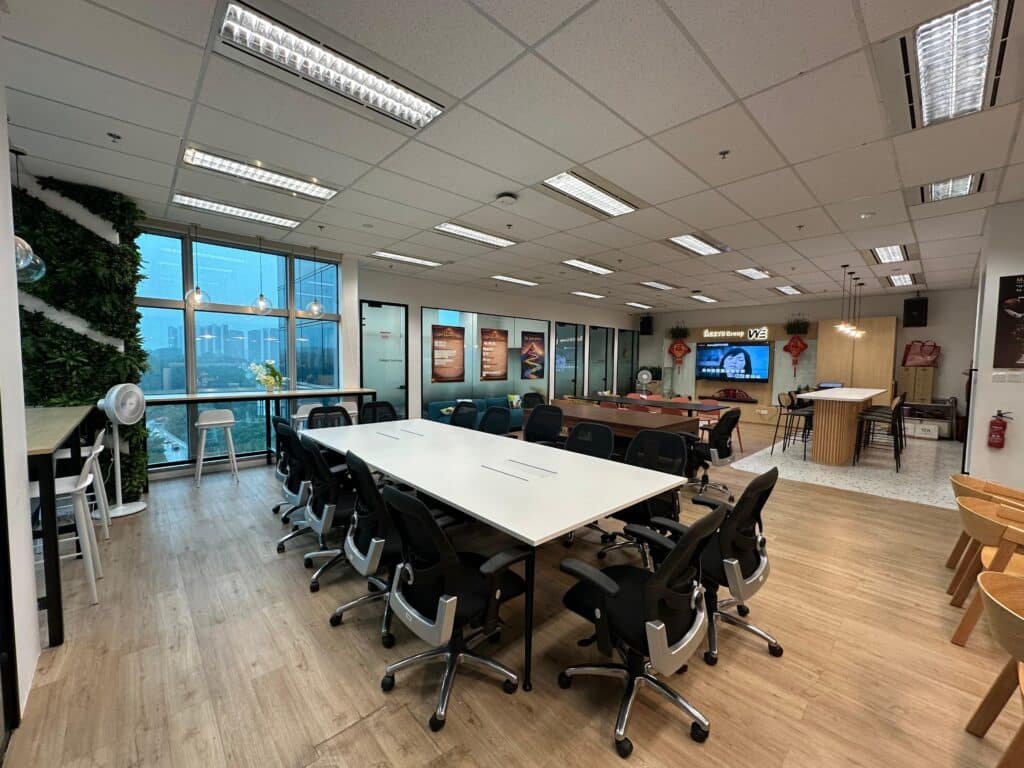
A corporate budget planning meeting venue is a professional meeting space specifically structured to support executive-level financial discussions, forecasting sessions, cost alignment reviews, and annual or quarterly budget approvals. Unlike standard meeting rooms, this type of venue must prioritize privacy, structured seating layouts, presentation clarity, and an environment that supports focused, data-driven decision-making.
In Singapore’s fast-paced corporate landscape, especially within the CBD, the right corporate budget planning meeting venue can directly influence how efficiently leadership teams evaluate projections, negotiate departmental budgets, and finalize strategic financial decisions.
At Vita Venue, corporate meeting environments are designed to align with executive expectations, ensuring that financial planning sessions are conducted with clarity, professionalism, and operational precision.
Why the Right Corporate Budget Planning Meeting Venue Impacts Financial Outcomes
Budget planning meetings are structured, high-stakes sessions involving:
- Revenue projections
- Departmental expense reviews
- Capital allocation decisions
- Risk scenario planning
- Strategic investment approvals
Research published by Harvard Business Review highlights that structured planning environments improve executive alignment and reduce ambiguity in financial decision-making. This reinforces an important point: the venue itself plays a role in shaping discussion quality.
A corporate budget planning meeting venue should reduce distractions, support seamless presentation flow, and provide an atmosphere that encourages constructive negotiation.
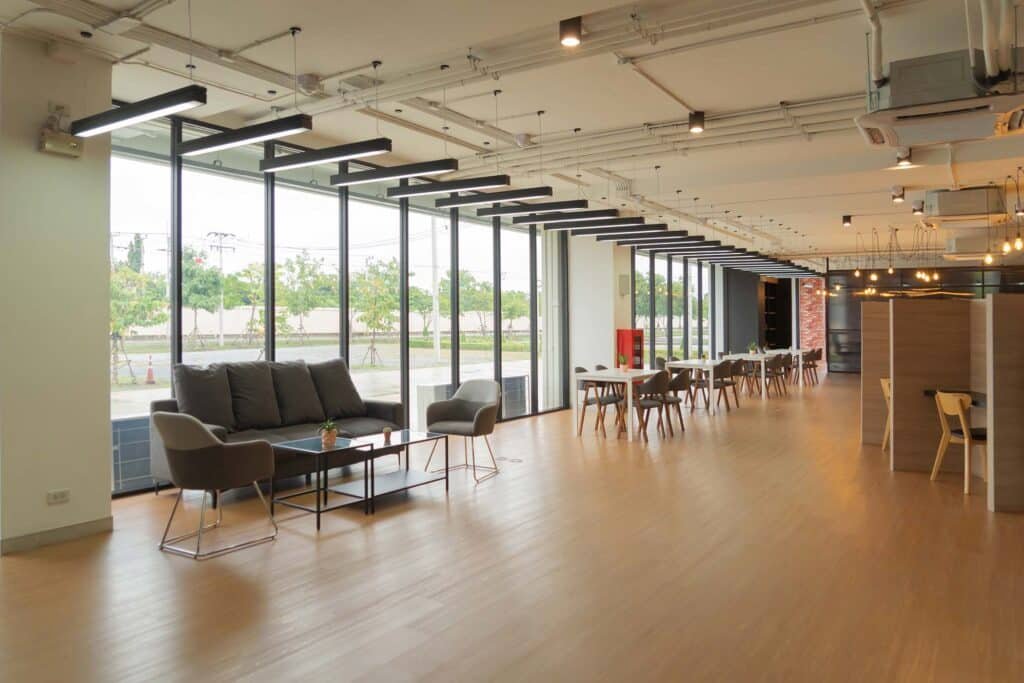
Pro tips: Choose a venue that offers both presentation mode and discussion mode flexibility. Budget meetings often shift between reporting and negotiation phases, and layout adaptability supports smoother transitions.
Essential Features of an Effective Corporate Budget Planning Meeting Venue
1. Executive-Appropriate Capacity
Most corporate budget planning meeting venue bookings are optimized for 15–30 participants, including:
- CFOs and finance directors
- Department heads
- Operations leaders
- Strategy teams
This participant range reflects the typical structure of high-level financial decision-making sessions, where input from multiple departments must be consolidated into a unified annual or quarterly strategy. A well-sized room ensures that every executive voice can be heard without the conversation feeling diluted.
Oversized spaces can reduce engagement intensity, creating psychological distance between decision-makers. When participants feel physically disconnected, discussions may become less focused. On the other hand, overly compact rooms may restrict comfort and professionalism, which can negatively affect concentration during long financial forecasting sessions.
An ideal space balances intimacy with authority, large enough to convey corporate significance, yet contained enough to encourage strategic alignment.
2. Advanced AV & Presentation Infrastructure
Because financial sessions rely heavily on data visualization, a corporate budget planning meeting venue must include:
- Large display screen
- Stable high-speed Wi-Fi
- HDMI and wireless connectivity
- Clear audio system
- On-site technical support
Budget planning discussions often involve reviewing multi-layered spreadsheets, scenario simulations, and real-time financial dashboards. Even minor technical disruptions can interrupt strategic flow and reduce productivity. Clear visibility of charts, graphs, and financial models ensures that all stakeholders interpret projections accurately and consistently.
Additionally, seamless connectivity allows teams to integrate cloud-based accounting systems or collaborative budgeting tools without delay. In Singapore’s fast-paced corporate environment, efficiency is not optional, it is expected.
3. Strategic Seating Layout
Different layouts influence discussion dynamics:
| Layout Type | Best For | Strategic Benefit |
|---|---|---|
| Boardroom | Executive negotiation | Direct authority presence |
| U-Shape | Department reporting | Balanced interaction |
| Classroom | Financial workshop | Structured learning |
| Cluster | Breakout alignment | Collaborative scenario planning |
The boardroom format is often preferred for a corporate budget planning meeting venue because it enhances eye contact, reinforces executive presence, and supports high-level financial negotiations. This configuration naturally positions key decision-makers at focal points, strengthening leadership clarity during sensitive discussions such as cost optimization or capital allocation.
Meanwhile, cluster layouts can be effective when departments need to model different financial scenarios before reconvening for final consolidation. Flexibility in layout ensures the venue adapts to the meeting agenda rather than constraining it.
Pro tips: For annual financial reviews, confirm that the venue allows table repositioning during breaks so teams can transition smoothly from formal executive discussions to collaborative breakout sessions without losing momentum.
Why CBD Location Strengthens a Corporate Budget Planning Meeting Venue
A CBD-based corporate budget planning meeting venue provides:
- Centralized accessibility
- Reduced travel delays
- Professional corporate image
- Convenience for senior stakeholders
A centrally located venue supports punctuality and reduces friction for multi-department attendance.
To understand how professional corporate environments are structured within Singapore’s business district, you may review the overall meeting space portfolio presented at Vita Venue Singapore, where different room configurations are outlined for executive and corporate use.
Recommended Corporate Budget Planning Meeting Venue in Singapore
For leadership teams seeking a focused, executive-scale setting, the Nexus Room provides a structured and distraction-minimized environment suitable for financial discussions.
A practical illustration of this setup can be seen in the specifications detailed on the Nexus Room executive meeting space page, which outlines its 20–25 participant capacity, presentation facilities, and flexible seating arrangements.
The Nexus Room supports:
- Executive-scale capacity
- Natural lighting for extended sessions
- Professional AV integration
- Flexible boardroom and U-shape layouts
- CBD accessibility
These characteristics align closely with what defines a high-functioning corporate budget planning meeting venue.
Pro tips: When evaluating a corporate budget planning meeting venue, schedule a short technical walkthrough before the meeting day. Testing connectivity and presentation flow prevents unnecessary delays during executive sessions.
Cost Considerations for Booking a Corporate Budget Planning Meeting Venue
When budgeting for the venue itself, consider:
- Duration (half-day vs full-day)
- AV inclusion
- Technical support availability
- Catering requirements
- Layout customization
Many companies hosting full-day sessions opt for in-house catering to maintain meeting continuity.
Additional evaluation criteria that apply to executive meetings are further explained in What to Look for in a Corporate Event Venue, particularly in relation to infrastructure and layout flexibility.
Pro tips: Include buffer time in your booking to allow for early setup and post-meeting wrap-up. Executive sessions often extend beyond scheduled time due to negotiation discussions.
Case Example: Executive Budget Alignment Session in Singapore CBD
A mid-sized Singapore firm conducted its annual financial alignment meeting with 22 management leaders in a CBD-based corporate budget planning meeting venue.
Reported outcomes included:
- 18% reduction in meeting duration
- Faster departmental consensus
- Clearer documentation accuracy
- Fewer follow-up review sessions
These improvements were not coincidental. By placing all key decision-makers in a professionally designed environment within Singapore’s central business district, the company minimized logistical friction such as travel delays and technical interruptions. The structured setting encouraged disciplined agenda control, allowing financial discussions to remain focused on strategic priorities rather than operational distractions.
The company identified three contributing factors:
- Focused room capacity
- Seamless AV presentation
- Distraction-free professional setting
With the room size tailored specifically to executive-level discussions, conversations became more targeted and time-efficient. High-quality audio-visual systems ensured that financial dashboards and projections were clearly visible to every participant, eliminating repeated clarifications. Most importantly, the formal corporate atmosphere reinforced accountability, participants treated the session as a high-stakes strategic exercise rather than a routine internal meeting.
This case reinforces that venue selection supports, not replaces, financial strategy effectiveness. A well-chosen corporate budget planning meeting venue does not make decisions on behalf of leadership, but it significantly enhances clarity, collaboration, and execution quality during complex budget alignment sessions.
Common Mistakes When Selecting a Corporate Budget Planning Meeting Venue
- Choosing a venue that is too large
- Ignoring Wi-Fi stability checks
- Selecting non-central locations
- Underestimating meeting duration
- Overlooking privacy needs
One of the most common errors is prioritizing aesthetics over functionality. While an impressive space may create a strong first impression, oversized rooms can dilute engagement and reduce discussion intensity. Similarly, overlooking Wi-Fi testing can severely disrupt presentations that rely on cloud-based financial systems.
Location also plays a strategic role. Non-central venues may increase commute time, reduce punctuality, and subtly affect participant energy levels, especially during full-day planning sessions. Underestimating meeting duration can lead to rushed decisions or unplanned overtime costs, both of which compromise strategic clarity.
Finally, privacy is critical. Budget planning often involves sensitive financial forecasts, salary structures, and investment allocations. A corporate budget planning meeting venue should prioritize confidentiality and sustained executive focus to ensure that strategic discussions remain secure, uninterrupted, and productive.
Conclusion: Planning Your Next Corporate Budget Planning Meeting Venue in Singapore
Selecting the right corporate budget planning meeting venue is a strategic operational decision that directly influences leadership alignment and financial clarity.
A venue that combines:
- Executive-appropriate capacity
- Advanced AV support
- Flexible layouts
- CBD accessibility
- Professional environment
will significantly improve the quality of financial discussions.
Organizations preparing for their next budget review or annual financial planning session can explore structured corporate environments at Vita Venue Singapore, where executive-ready meeting spaces are designed to support strategic discussions with clarity and professionalism.
By securing a well-configured corporate budget planning meeting venue, companies are not simply reserving a room, they are establishing the environment in which their financial direction is defined
FAQs (Frequently Asked Questions)
What distinguishes a corporate budget planning meeting venue from a regular meeting room?
A corporate budget planning meeting venue is specifically designed for high-level financial and strategic discussions, offering a more formal environment, optimized seating layouts, advanced presentation technology, and enhanced privacy features. Unlike regular meeting rooms, these venues prioritize confidentiality, executive comfort, and clear communication to support complex budget negotiations and decision-making processes.
Is CBD location essential?
A Central Business District (CBD) location is not strictly essential, but it is highly advantageous because it offers better accessibility, reduces travel time for executives, and enhances the professional image of the meeting. Venues in CBD areas are often perceived as more credible and prestigious, which is particularly important when external stakeholders such as investors, consultants, or partners are involved.
What layout is most effective?
Boardroom and U-shape layouts are generally the most effective for budget planning meetings because they facilitate direct interaction, eye contact, and structured discussions among participants. These layouts support negotiation-heavy sessions by enabling clear communication between decision-makers while still allowing space for presentations and collaborative dialogue.
How long should a budget planning session last?
A budget planning session typically lasts from half a day to a full day, depending on the organization’s size, financial complexity, and number of departments involved. Larger companies with multi-departmental budgets and detailed financial reviews may require full-day or multi-session meetings to ensure thorough analysis and informed decision-making.
Should catering be included?
Catering should be included, especially for meetings lasting more than four hours, as it helps maintain participants’ energy, focus, and productivity throughout the session. Providing refreshments and meals also creates opportunities for informal discussions and networking, which can contribute to more effective collaboration and smoother decision-making.