Corporate lo hei event planning refers to the structured yet flexible process of organizing a lo hei (捞起) session specifically for corporate environments, usually during Chinese New Year. Unlike family lo hei, a corporate setting involves different priorities, timing, professionalism, cultural sensitivity, group size, and the need to balance tradition with business objectives.
In recent years, lo hei has moved beyond a symbolic toss of ingredients. For many companies, it has become a way to reconnect teams, welcome new partners, and set a positive tone for the year ahead. When planned properly, it’s not just festive, it’s strategic.
Understanding the Purpose of Corporate Lo Hei
Why Companies Still Do Lo Hei
At its core, lo hei is about prosperity, unity, and intention. In a corporate context, these values translate quite naturally into business culture.
Many HR and operations teams see lo hei as:
- A soft reset after year-end pressure
- A morale booster, especially post-Q1 planning
- A cultural touchpoint for multinational teams
According to internal surveys shared by Singapore-based HR consultancies, over 68% of employees feel more connected after participating in company cultural events during festive periods. While lo hei alone doesn’t fix engagement issues, it often opens the door for better team energy.
Corporate vs Personal Lo Hei: What’s Different?
| Aspect | Personal Lo Hei | Corporate Lo Hei |
|---|---|---|
| Group size | Small, familiar | Medium to large |
| Tone | Casual, emotional | Semi-formal, inclusive |
| Timing | Flexible | Strictly scheduled |
| Objective | Family bonding | Team unity & goodwill |
| Venue | Home / restaurant | Office / event venue |
This difference is why corporate lo hei event planning needs more thought than just ordering yee sang.
Key Elements in Corporate Lo Hei Event Planning
Choosing the Right Venue
The venue often determines whether the event feels rushed or relaxed.
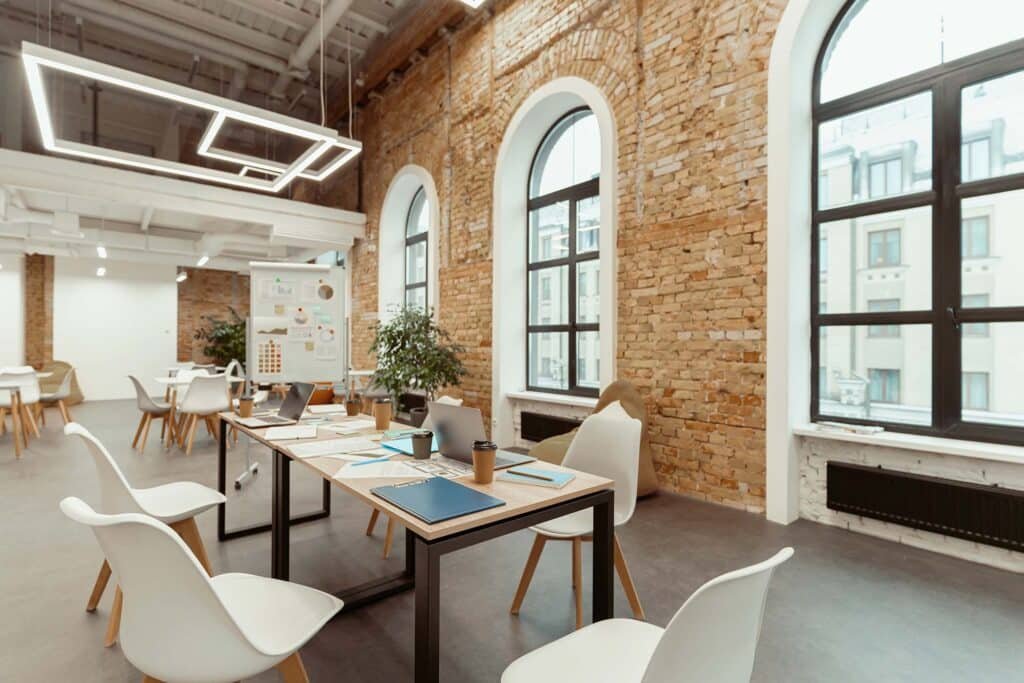
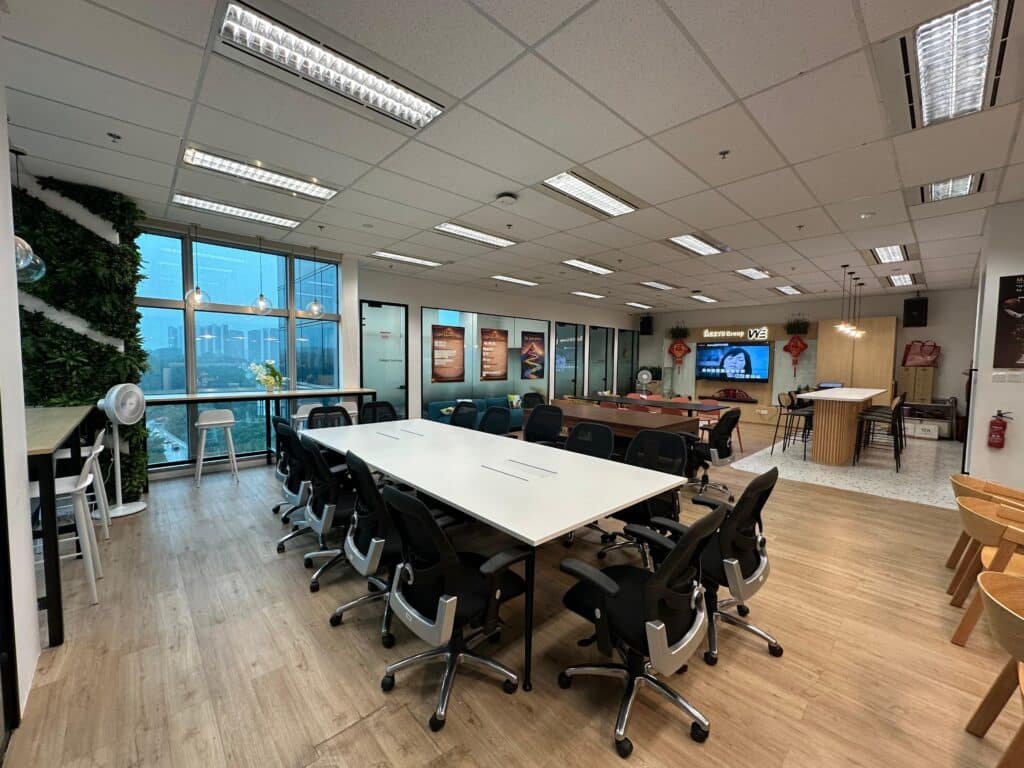
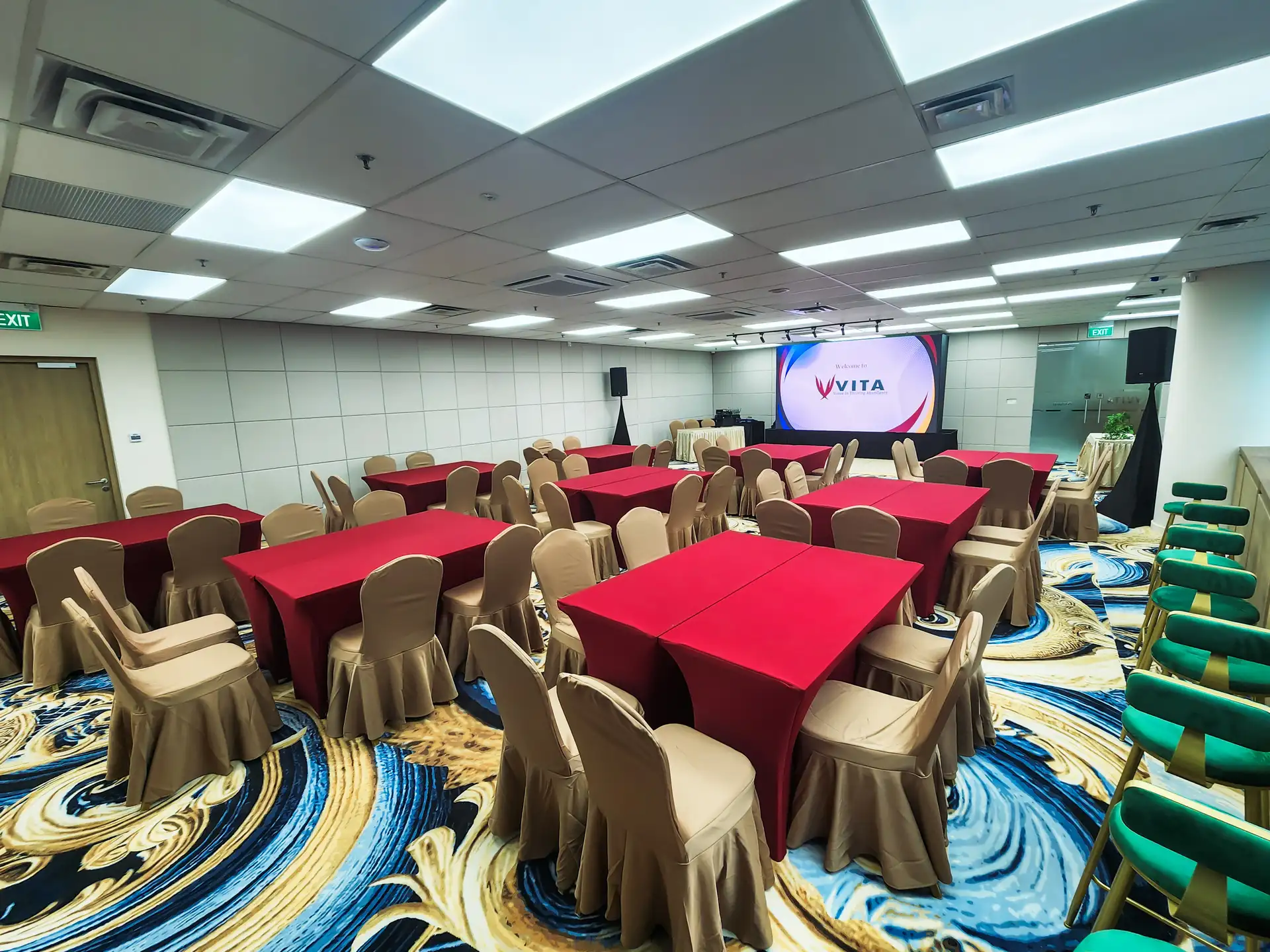
A well-planned corporate lo hei venue should:
- Allow standing and movement (tossing can get messy)
- Have flexible table layouts
- Support short speeches without echo or noise issues
- Be accessible for weekday lunch or evening sessions
This is also where many companies start exploring ready-made meeting and event packages, especially when lo hei is combined with short presentations or internal briefings. Packages like these help teams save time on coordination while keeping costs predictable.
Timing the Event Properly
While lo hei traditionally happens within the first 15 days of Chinese New Year, corporates tend to cluster events around:
- First work week after CNY
- Mid-week lunches
- Early evening sessions (5.30pm–7.30pm)
Rushing the session is a common mistake. A good lo hei experience usually needs 60–90 minutes, including mingling.
Step-by-Step Corporate Lo Hei Event Planning Process
1. Define the Objective
Before anything else, ask:
- Is this for staff only?
- Are clients or partners attending?
- Is it a formal or casual company culture?
Without this clarity, decisions later become messy.
2. Lock the Group Size Early
Lo hei scales differently compared to seated dinners. Too many people around one table feels chaotic, too few feels awkward.
General rule of thumb:
- 1 yee sang platter for 8–10 pax
- Separate tossing stations for groups over 30
3. Coordinate Food and Flow
Lo hei is interactive. Food service should not interrupt the toss.
Plan the flow like this:
- Welcome & brief opening
- Yee sang served
- Collective lo hei moment
- Light bites / networking
- Closing remarks
Cultural Details Companies Often Overlook
Ingredient Meanings Still Matter
Even in corporate settings, symbolism shouldn’t be ignored. Brief explanations help non-Chinese staff feel included.
Common meanings include:
- Carrots: prosperity
- Fish: abundance
- Plum sauce: sweetness in relationships
- Peanuts: longevity
Some companies now include printed cue cards or short emcee prompts, which surprisingly works very well.
Language Sensitivity During Toss
Encourage positive phrases only. Avoid jokes related to money loss, staff turnover, or “stress”. It sounds obvious, but it happens more than people realise.
Case Insight: A Mid-Size Finance Firm in Singapore
One finance firm with 85 employees struggled with post-CNY attendance. Instead of a hotel restaurant, they shifted to a dedicated event venue near their office and shortened the agenda.
Results after two years:
- Attendance increased from 60% to 92%
- Event cost reduced by 18%
- Staff feedback mentioned “less rushed” and “more personal”
This shows how corporate lo hei event planning is often about environment, not extravagance.
Common Mistakes in Corporate Lo Hei Event Planning
- Treating lo hei like a normal buffet lunch
- Overloading speeches before the toss
- Poor table spacing (people can’t toss properly)
- Forgetting non-Chinese colleagues
Small oversights can affect the entire mood.
Tools and Visual Aids That Actually Help
Simple Planning Table
| Item | Owner | Deadline |
|---|---|---|
| Venue booking | Admin | 4 weeks before |
| Catering | Ops | 3 weeks before |
| Emcee notes | HR | 1 week before |
| Seating flow | Ops | 3 days before |
Conclusion: Planning Corporate Lo Hei the Right Way
Corporate lo hei event planning doesn’t need to be complicated, but it does need intention. When done right, it becomes more than a festive obligation. It turns into a shared moment where teams reset, reconnect, and start the year on the right note.
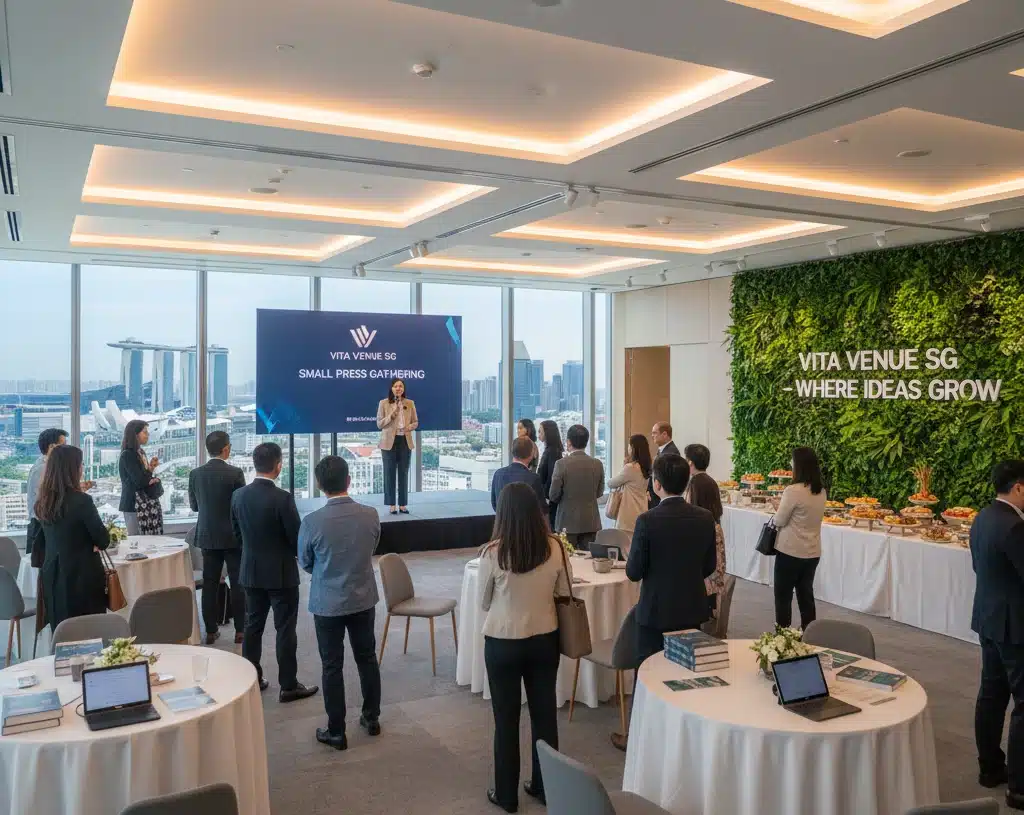
At Vita Venue, we specialise in hosting corporate festive events in Singapore’s CBD, including Chinese New Year lo hei sessions for small teams and large organisations. Our spaces are designed for movement, conversation, and cultural moments that feel natural, not forced.
If you’re planning your next corporate lo hei, start by choosing a venue that understands how business events actually work, timing, flow, and people comfort. That alone solves half the problem.
Pro Tips Before You Lock Anything In
- Visit the venue during actual event hours
- Test the tossing space, not just seating
- Keep speeches short, meaning travels faster
A good lo hei doesn’t feel planned. It just feels right.
FAQs (Frequently Asked Questions)
What is corporate lo hei event planning exactly?
It’s the process of organizing a lo hei session specifically for companies, taking into account venue logistics, group dynamics, cultural inclusivity, and business timing.
How early should we plan a corporate lo hei?
Ideally 4–6 weeks in advance, especially if the event falls within the first week after Chinese New Year.
Can lo hei be done without a formal dinner?
Yes. Many corporates now prefer standing lo hei sessions with light refreshments instead of full meals.
Is lo hei suitable for multinational teams?
Yes, when explained properly. Short cultural context actually increases engagement for non-Chinese staff.
How long should a corporate lo hei event last?
Most successful events run between 60 to 90 minutes. Longer sessions often lose momentum.