End of Year Event Checklist is a practical guide that helps organizations, companies, and communities plan a structured year-end celebration without last-minute chaos. As the calendar slowly reaches its final weeks, the atmosphere changes, a blend of relief, reflection, and renewed hope. People wrap up projects, finalize reports, and look for meaningful moments to appreciate the journey behind them. Planning an end-of-year event shares that same energy. It’s not just decorating a room or ordering catering, it’s symbolically closing a chapter and opening a new one.
And without a proper structure, things can quickly fall apart. That’s why a thoughtful and realistic end of year event checklist makes such a difference, not a stiff corporate template, but something human, practical, and achievable.
Why End-of-Year Events Matter More Than People Realize
Many people underestimate how powerful a well-planned end of year event can be. Beyond speeches and photos, a thoughtful End of Year Event Checklist strengthens internal relationships and resets energy for the coming year.
Businesses use this moment to:
- Celebrate small victories (not only the shiny ones)
- Recognize people who worked silently behind the scenes
- Realign hopes and goals for the coming year
- Repair relationships that went tense somewhere in the middle
Schools, organizations, churches, and even friend groups do the same in their own way. It’s about reflecting on the year that just passed, with all its messiness and glory.
The Complete End of Year Event Checklist
Below is a structured and practical checklist to guide planning from first idea to closing remarks.
Step 1: Define the Purpose & Story of the Event
Before anything else, answer the basic question:
- Why are we hosting this event?
Common goals:
- Celebration & appreciation
- Strengthening team or community relationships
- Reviewing milestones and setting future direction
- Networking or collaboration opportunities
Tip: Write a one-sentence event purpose and share it internally so everyone plans with clarity.
Step 2: Determine Budget & Cost Allocation
Even great ideas collapse without financial clarity.
| Cost Category | Example Expenses | Notes |
|---|---|---|
| Venue | Room rental, extensions, setup | Check cleaning/extra time fees |
| Food & Beverage | Buffet, individual meals, beverages | Consider dietary restrictions |
| Technical | AV system, lighting, recording, streaming | Test equipment beforehand |
| Decoration | Stage, banners, centerpieces | Avoid last-minute printing |
| Activities | Games, speakers, entertainment | Match theme and audience |
Budgeting Tip: Allocate 10% as emergency reserve, last-minute changes always happen.
Step 3: Choose the Right Venue & Timing
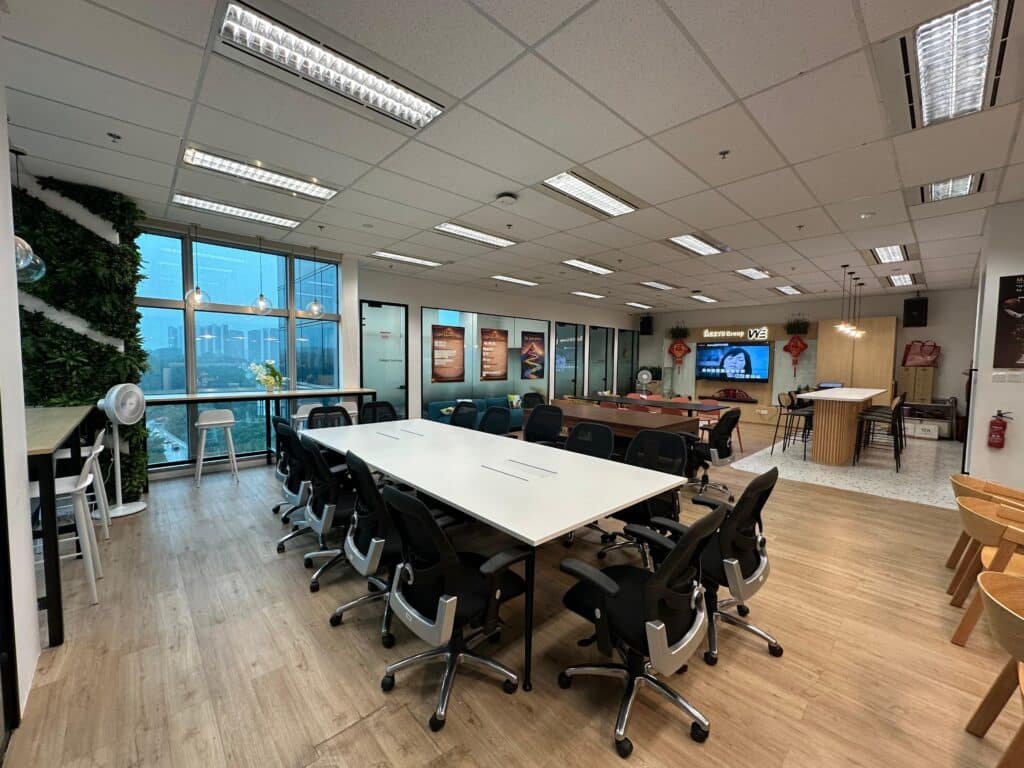
Choosing the right venue is one of the most important parts of an End of Year Event Checklist, because the environment shapes the overall experience. Think about:
- Capacity (never choose a space too small)
- Accessibility (near transport / parking)
- Audio & visual equipment
- Comfort: air-conditioning, seating style, lighting
- Professional booking terms & support team
If the event is corporate or community-based, consider using a flexible space that already offers built-in AV support and modular layouts. Explore available community event spaces in Singapore through Vita Venue’s curated selection to make the planning process easier and smoother.
Step 4: Build the Program Flow
Create a timeline that respects people’s attention span. No one enjoys a draggy schedule.
Example Program Flow (2-Hour Corporate Appreciation Event)
| Time | Activity |
|---|---|
| 7:00 PM | Registration & Welcome Drinks |
| 7:20 PM | Opening Remarks |
| 7:35 PM | Reflection / Highlights Video |
| 8:00 PM | Employee Recognition |
| 8:20 PM | Performance or Game |
| 8:50 PM | Dinner / Networking |
| 9:30 PM | Closing & Group Photo |
Pro tip: Always test transitions, awkward silence ruins momentum
Step 5: Final Week Logistics Checklist
A simple but real-world practical confirmation list:
- Guest list finalized
- Seating plan printed and displayed
- Technical rehearsal completed
- Catering confirmed & dietary preferences marked
- Signages and registration table ready
- Photographer/videographer confirmed
- Backup microphone + clicker + laptop
- Tokens / awards prepared
- Organizing team roles assigned
Key Roles & Responsibilities
People make events successful, not objects.
Core Event Team Structure
- Event Lead: final decision maker
- Program Coordinator: agenda, flow, speakers
- Logistics Officer: venue, equipment, layout
- Finance: payments and budget tracking
- Communications & PR: invitations, materials
- Host/MC: energy keeper
- Support Crew: real-world problem solvers
If no one is assigned to a task, assume it will be forgotten.
Real Case Snapshot
Last year a mid-sized tech company in Singapore hosted a year-end appreciation event for 110 employees. Instead of a typical ballroom setting, they booked a flexible event hall in the Central Business District with AV equipment included. The biggest success? Not the décor or catering, but a 12-minute reflection video compiled from random office clips and handwritten notes.
People cried, laughed, and walked out feeling more connected than ever.
Planning the experience mattered more than polishing the aesthetics.
Conclusion, Start Planning Your Event With Confidence
Planning a meaningful year-end gathering isn’t just papers and budgets. It’s storytelling, closure, and renewal. A well-built end of year event checklist gives structure while keeping space for human emotion and shared memories.
If you’re preparing your own event and need a reliable corporate venue with flexible room setups, advanced AV systems, and convenient access, explore professional venue options at Vita Venue. Their spaces such as the Grand Room Full Day offer the right environment to host a memorable celebration.
Pro Tip: Don’t just host a year-end event. Host a memory.
FAQs (Frequently Asked Questions)
How early should planning start?
About 8-10 weeks before the event is ideal.
Do we need a rehearsal?
Yes, especially if speeches, awards or technical transitions exist.
How do we keep the event engaging?
Short sessions, music transitions, audience participation.
Should we give gifts?
Small personalized items help make memories, not necessarily expensive.
Is a formal venue necessary?
Not always, but professional event spaces help reduce stress and equipment issues.