Why Workspace Design Matters
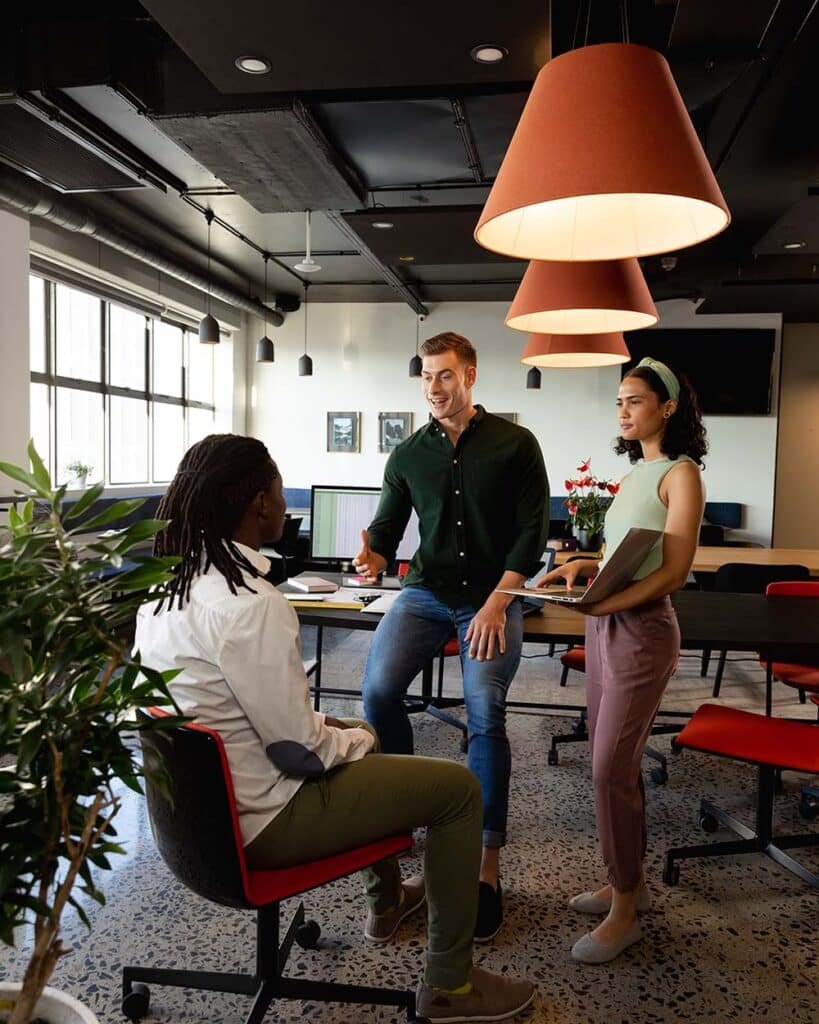
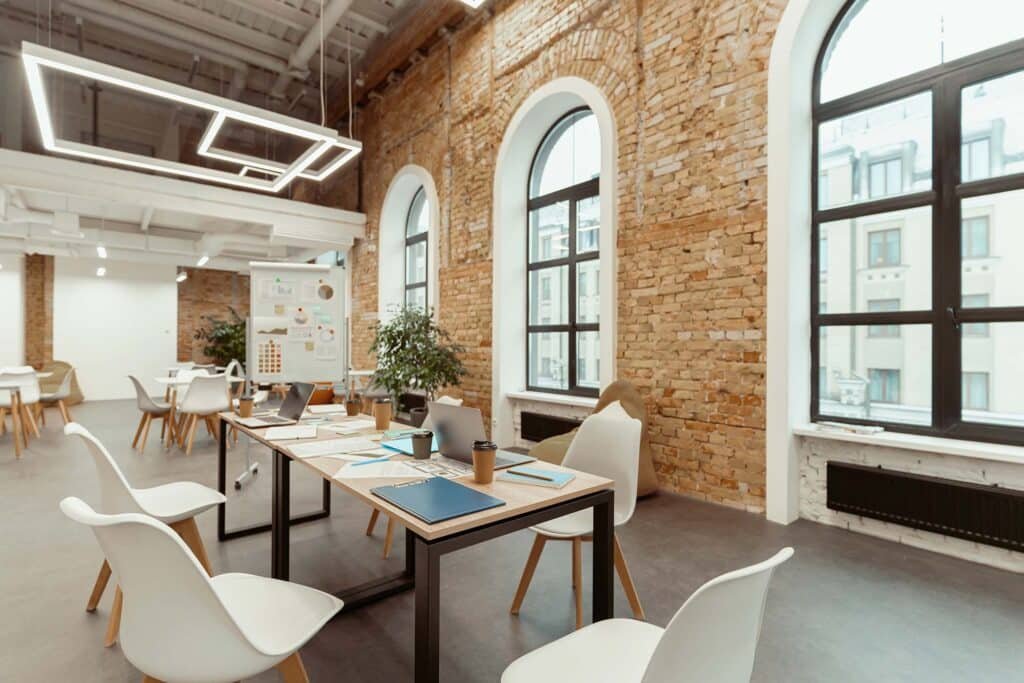
When we talk about how workspace design boosts productivity, it’s not just a trendy phrase. It’s something that affects many of you directly every single day. The way a room is laid out, the amount of natural light available, even the color of the walls, it all shapes the way you work, think, and feel. You’ve probably noticed how sitting in a dull, cramped corner makes it hard to stay motivated. But with the right setup, suddenly tasks feel lighter, teamwork becomes easier, and ideas flow naturally.
The Psychology Behind a Productive Environment
Humans react deeply to their surroundings. A cluttered or noisy office often makes you stressed without you even realizing it. On the other hand, a clean desk, some greenery, and a comfortable chair can immediately lift your mood. Studies have shown that employees in well-designed workspaces are more engaged and less likely to feel burnout. It’s not magic, it’s psychology.
Lighting: More Than Just Brightness
One of the most underrated aspects of workspace design is lighting. Many of you might not realize that natural light has a direct connection to energy levels. Sunlight helps regulate sleep cycles, improves focus, and reduces eye strain. On gloomy days or in windowless spaces, smart artificial lighting that mimics daylight can make a huge difference. Lamps and overhead lights are often taken for granted, but they’re actually silent partners in your productivity journey.
Open Spaces vs. Private Corners
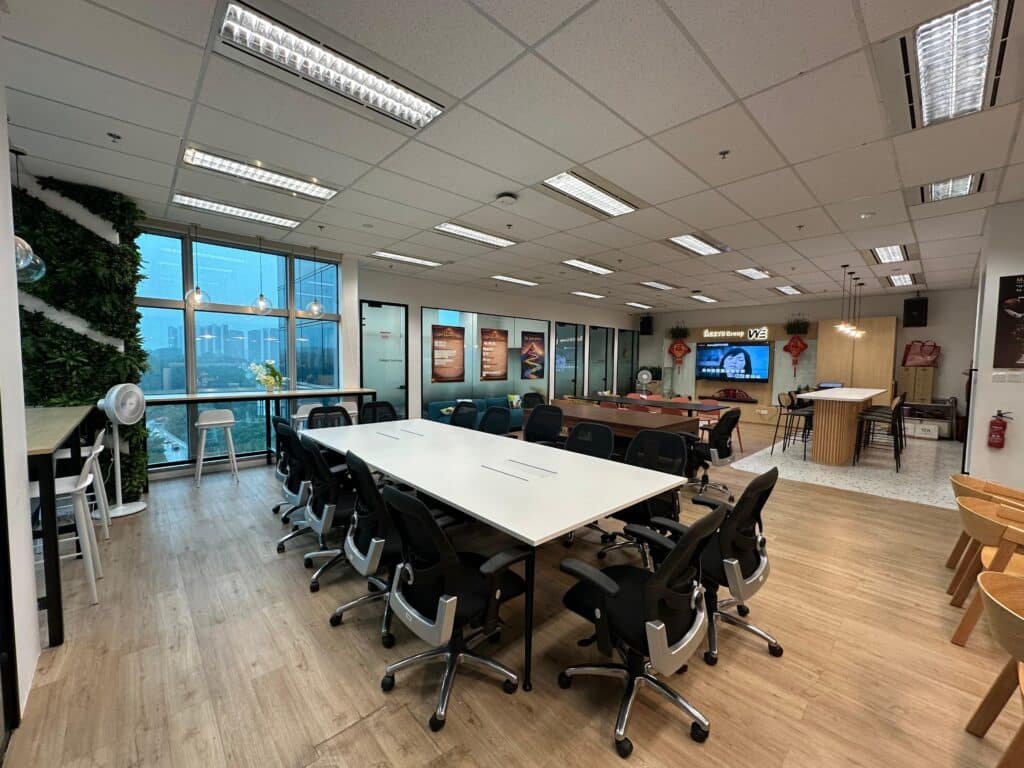
There’s a long debate about open-plan offices. Some of you thrive in open spaces where ideas bounce around and collaboration is easy. Others need private corners to concentrate without constant interruptions. The truth is, balance matters. A workspace that offers both shared areas and quiet zones gives everyone the choice they need to work at their best. When you feel you have options, you’re more comfortable and, naturally, more productive.
Furniture and Ergonomics: Comfort Equals Focus
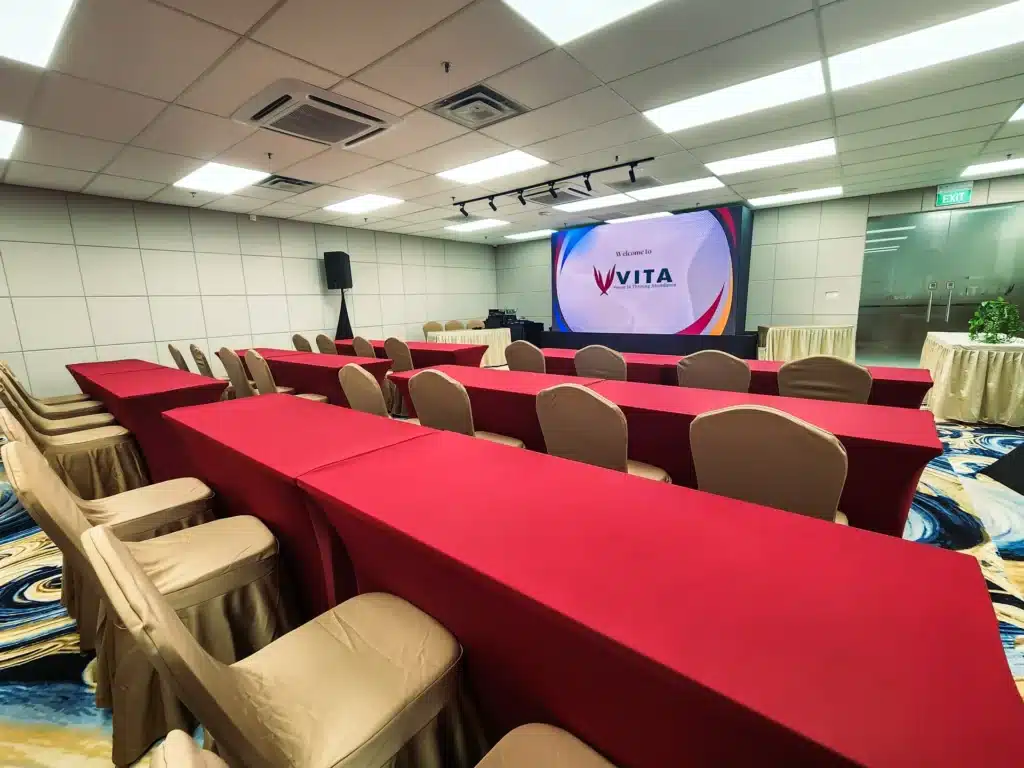
It’s hard to focus when your back hurts after sitting for hours. Ergonomics is not just a buzzword; it’s a must. Adjustable chairs, desks at the right height, and even small tools like footrests or wrist supports can prevent long-term health problems. When you’re comfortable, your brain spends less energy on physical discomfort and more on problem-solving, creativity, and critical thinking.
The Role of Colors and Aesthetics
Colors influence emotions. A splash of blue might bring calm, while yellow sparks creativity. Green has been linked with focus and balance. Even minimal touches, like a colorful rug or a mural on the wall, can bring a sense of life to the office. A workspace doesn’t have to look like an art gallery, but a little attention to aesthetics can set the right mood for the day.
Technology Integration for Efficiency
In today’s digital-first world, workspace design isn’t only about furniture and walls. Technology is the backbone of productivity. Having enough charging ports, fast Wi-Fi, and organized cable systems can prevent those frustrating moments when you lose time over technical issues. A smartly designed workspace puts tech tools at your fingertips, reducing friction in how you work.
The Human Touch: Plants, Art, and Personalization
You shouldn’t underestimate the small things that make a space feel alive. Plants, for instance, are not just decorative, they clean the air and bring a calming effect. Art adds inspiration, while personal items like family photos remind you of what really matters. When you feel connected to your workspace, you’re more motivated to give your best effort.
At the same time, workspace design goes hand in hand with how you manage activities inside it. For instance, when you’re planning team sessions or brainstorming events, the environment plays a big role in outcomes. If you’re looking for practical guidance, our article on tips for running effective workshops shows how the right setup can maximize collaboration and results.
Collaboration Spaces That Spark Innovation
Teamwork doesn’t just happen by chance; it often needs the right environment. Collaboration areas with whiteboards, comfortable seating, or even casual lounges encourage spontaneous discussions. Sometimes the best ideas don’t come at a meeting table, they emerge over coffee in a relaxed corner. Designing these “idea zones” is one way to nurture creativity without forcing it.
Flexible Workspaces: Adapting to the Future
One lesson the past few years have made clear is the need for flexibility. Many of you now move between remote work and office days. Flexible workspace design, think modular furniture, movable partitions, or multi-use rooms, helps companies adapt quickly. This adaptability keeps productivity high even when work styles change.
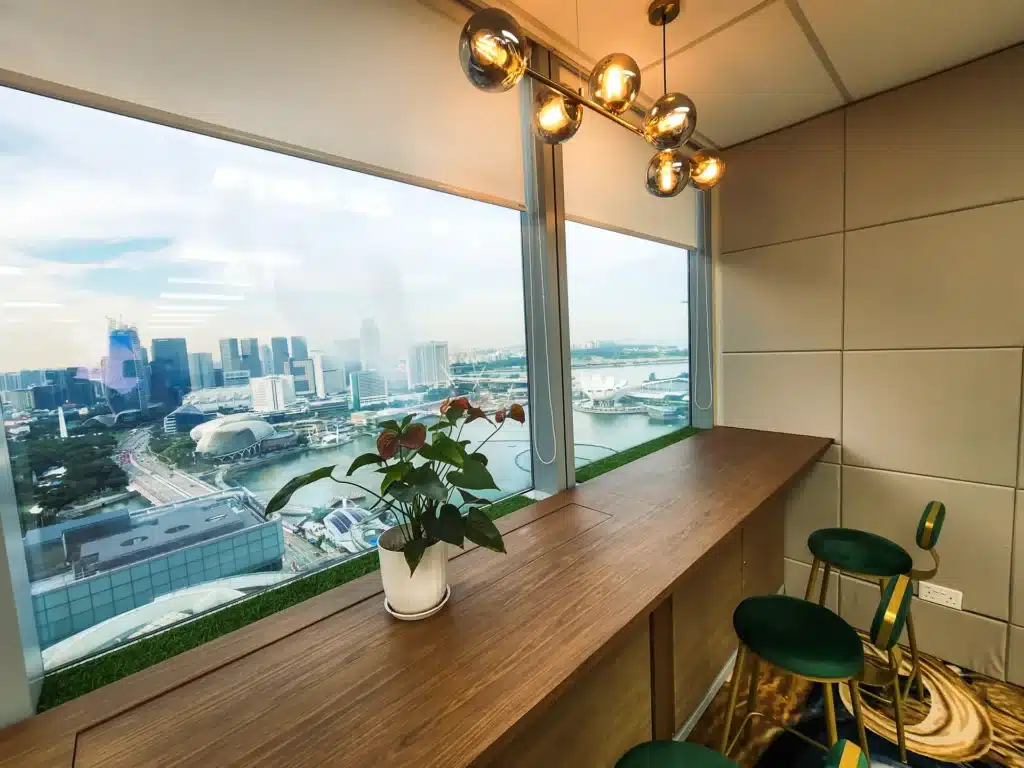
Designing for People, Not Just Offices
At the heart of all this, workspace design is about people. It’s not about following trends for appearances but about creating environments where you feel good, connected, and focused. Productivity follows naturally when you’re supported by your surroundings.
As Vita Venue, we believe in shaping environments that bring out the best in people. For those looking to experience how workspace design boosts productivity in real life, exploring flexible venues and thoughtfully designed spaces can be a game changer. A great place to start is Vita Venue, where our spaces are built with comfort, collaboration, and productivity in mind.