Why Tips for Running Effective Workshops Matter
When you start planning a workshop, it’s easy to focus only on the topic or the slides. But the truth is, a workshop is more than a presentation, it’s a chance to connect, exchange ideas, and build something meaningful together. That’s why tips for running effective workshops are so important. They help you create an experience that participants remember, not just another item on their calendar.
You’ve probably attended sessions that felt inspiring and full of energy, and others that left you wondering what the point was. The difference usually comes down to preparation, pacing, and the way the space is managed.
Start with Clear Objectives
Every successful workshop starts with clarity. Ask yourself: what should participants gain by the end? Is it a specific skill, a new way of thinking, or a plan they can apply at work?
When the objectives are defined, you’ll find it much easier to decide what content to include, what activities to design, and how much time to allocate. Without clear goals, sessions often drift, and participants leave without a strong takeaway.
Design the Flow with Participants in Mind
Attention spans don’t last forever, especially in a group setting. That’s why it helps to design a flow that keeps participants engaged. Long lectures can drain energy fast. Instead, balance your session with presentations, discussions, and hands-on activities.
This variety not only prevents fatigue but also helps people absorb information better. A rhythm of learning and applying keeps energy alive in the room.
Create an Environment That Encourages Openness
Workshops work best when participants feel comfortable enough to share their ideas. An open environment means people are free to ask questions, exchange experiences, and challenge ideas respectfully.
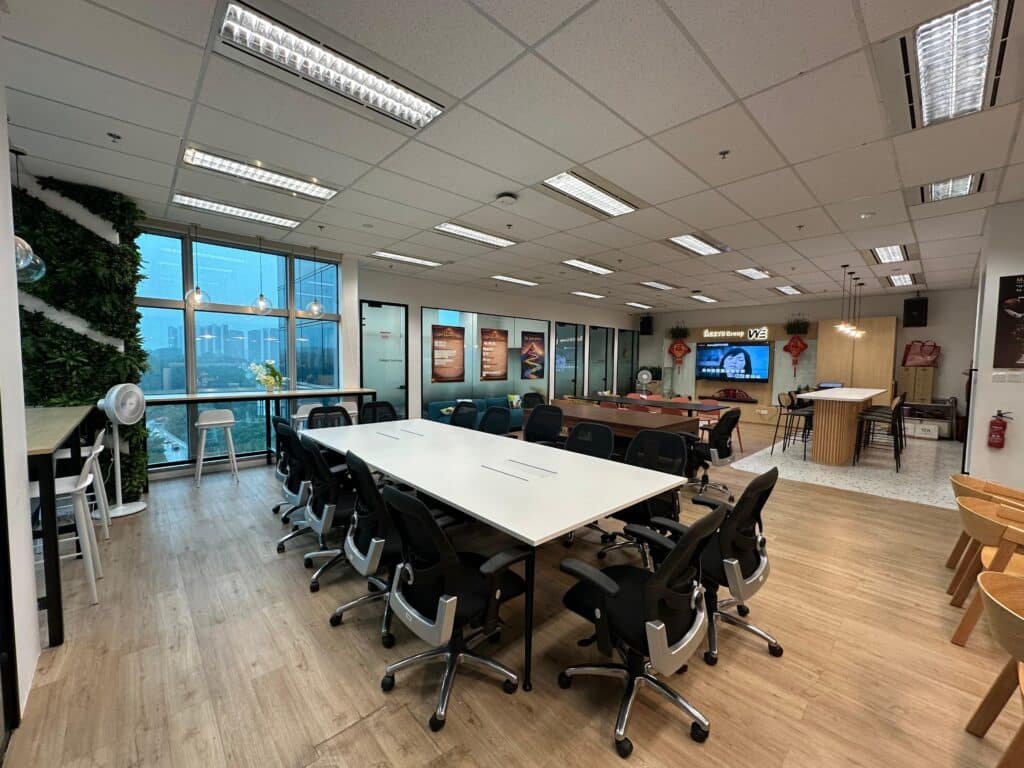
We at Vita Venue believe the physical space plays a big role in this. That’s why our event rooms are designed with comfort and flexibility in mind, helping you create an atmosphere where participants feel at ease from the moment they arrive.
Practical Tips for Running Effective Workshops
Here are some tried-and-true approaches you can apply:
- Start with a warm-up – Short icebreakers help participants relax.
- Manage time actively – Keep discussions focused so you can cover everything planned.
- Encourage participation – Ask questions, invite reflections, and let participants interact.
- Provide resources – Handouts, slides, or notes reinforce learning after the session.
- Stay adaptable – Sometimes the best moments come from unplanned discussions.
Not every workshop needs all of these, but choosing the right mix can lift the overall experience.
Keep Group Size Balanced
Group size can make or break a workshop. Too many people, and individual voices get lost. Too few, and the energy may feel flat. Finding the right balance ensures that everyone feels included and encouraged to contribute.
Don’t Forget Energy Management
A full-day workshop can be exhausting if energy isn’t managed. Short energizers, coffee breaks, or even just changing the seating arrangement can refresh the mood.
One simple trick is to add a stretch break every couple of hours. It’s a small thing, but it helps participants reset and stay focused. And if you’re curious about how the right environment contributes to keeping energy levels high, check out our post on the benefits of renting a venue for meetings.
The Power of Storytelling in Workshops
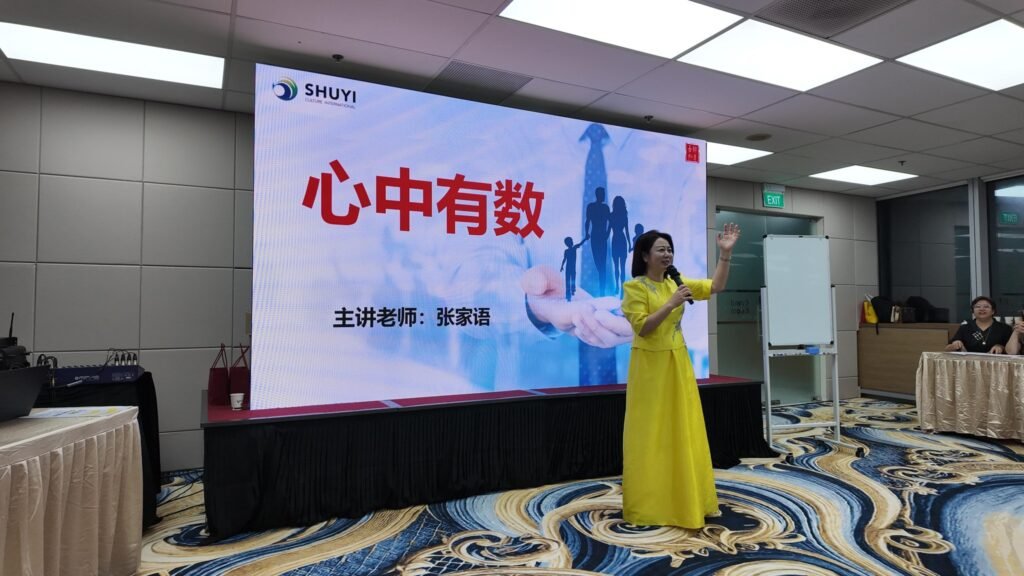
Data is useful, but stories are what people remember. A facilitator who weaves real-life examples into the session often leaves a stronger impact than one who sticks only to slides.
Stories make concepts relatable. They remind participants that the lessons are not just theory, but connected to real challenges and successes they can apply to their own lives.
Technology Can Enhance, Not Replace
Slides, digital whiteboards, and polls can all be helpful, but technology should never overshadow the human aspect of a workshop. The real value comes from interaction, discussion, and reflection.
Use tech as a tool to support, not dominate, the experience. A quick online poll for instant feedback, or a shared document for group notes, can add value without distracting from the session’s flow.
Following Up After the Workshop
A workshop doesn’t truly end when participants leave. Following up with materials, summary notes, or even a quick check-in email shows that you value their involvement and want the lessons to stick.
This follow-up step is often what separates a good workshop from a truly effective one. Participants feel supported and are more likely to apply what they’ve learned.
Building Better Workshops with the Right Venue
Even the best workshop plan needs the right space. A poorly lit room or an uncomfortable setup can affect the entire mood. The venue is more than a backdrop, it’s part of the experience.
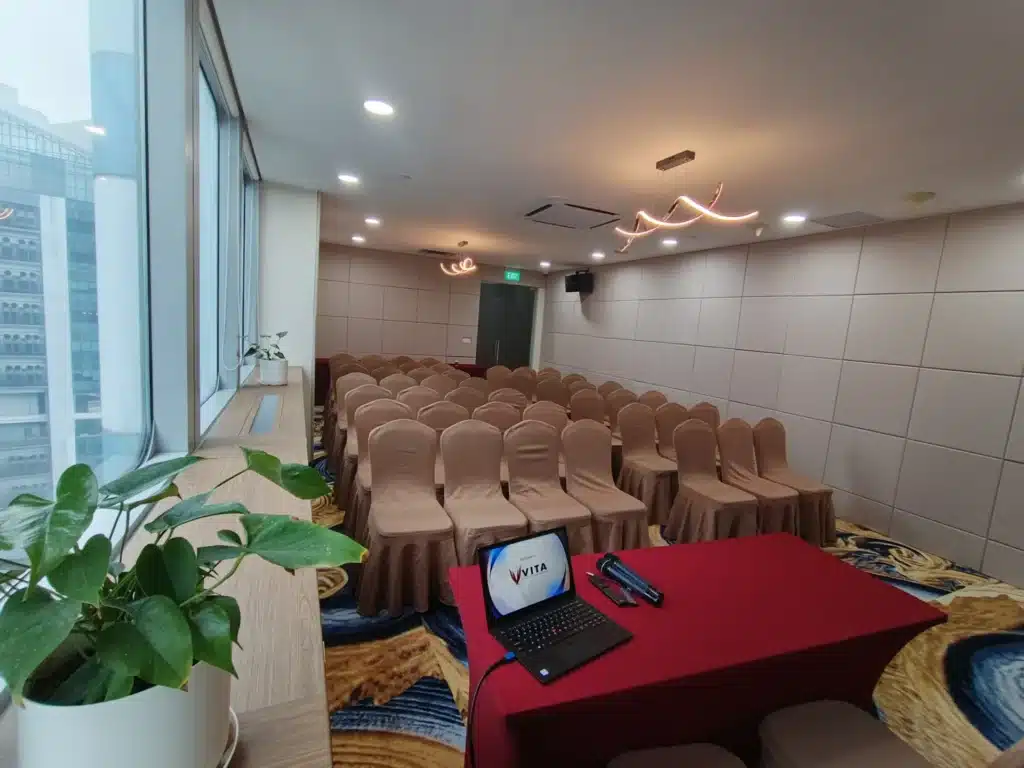
At Vita Venue, our spaces are built to encourage creativity, focus, and collaboration. We understand how important the setting is, and we work to make sure it enhances your workshop, not distracts from it.
Final Thoughts
Workshops are powerful tools for learning and collaboration. By following these tips for running effective workshops, you’ll give participants not just knowledge, but a meaningful experience. Clear goals, engaging flow, supportive environments, and thoughtful follow-ups all add up to success.
If you’re planning your next workshop and need a venue that supports these principles, we at Vita Venue would be glad to host you. Our spaces are designed to bring comfort, flexibility, and inspiration, so you can focus on what matters most: creating a workshop that truly works.